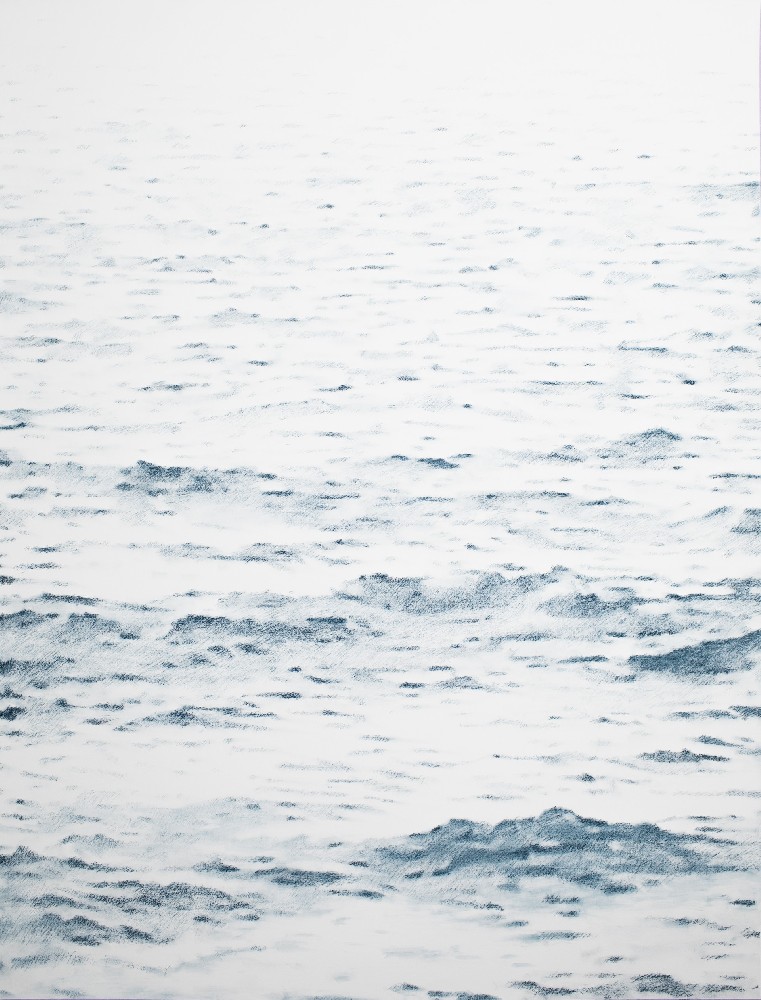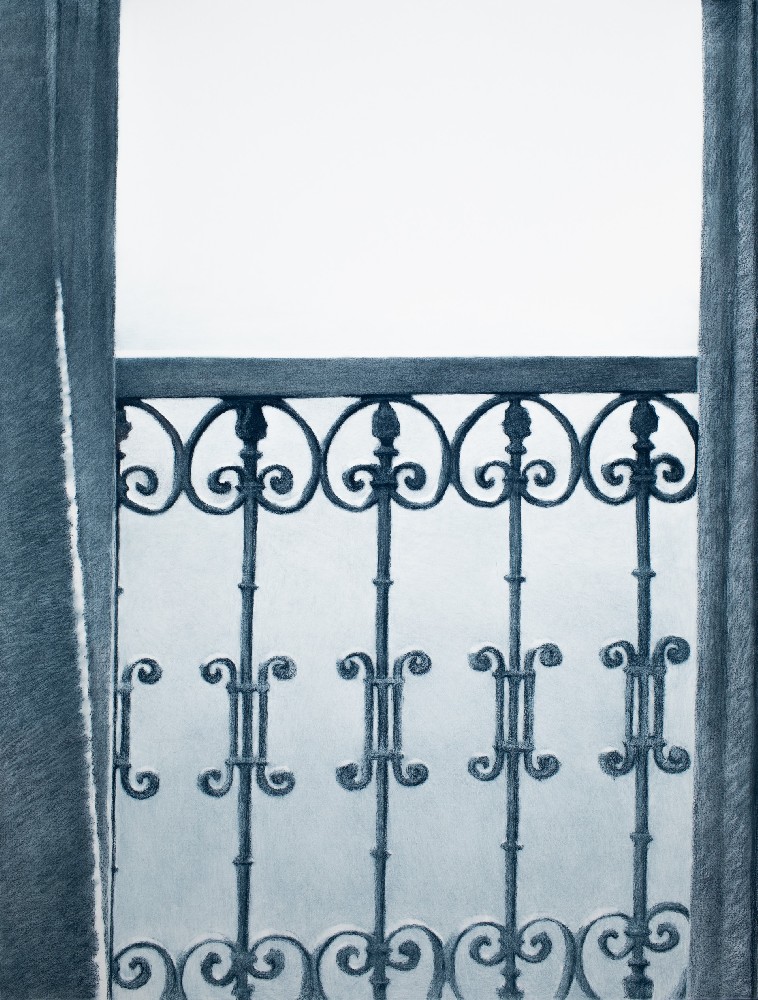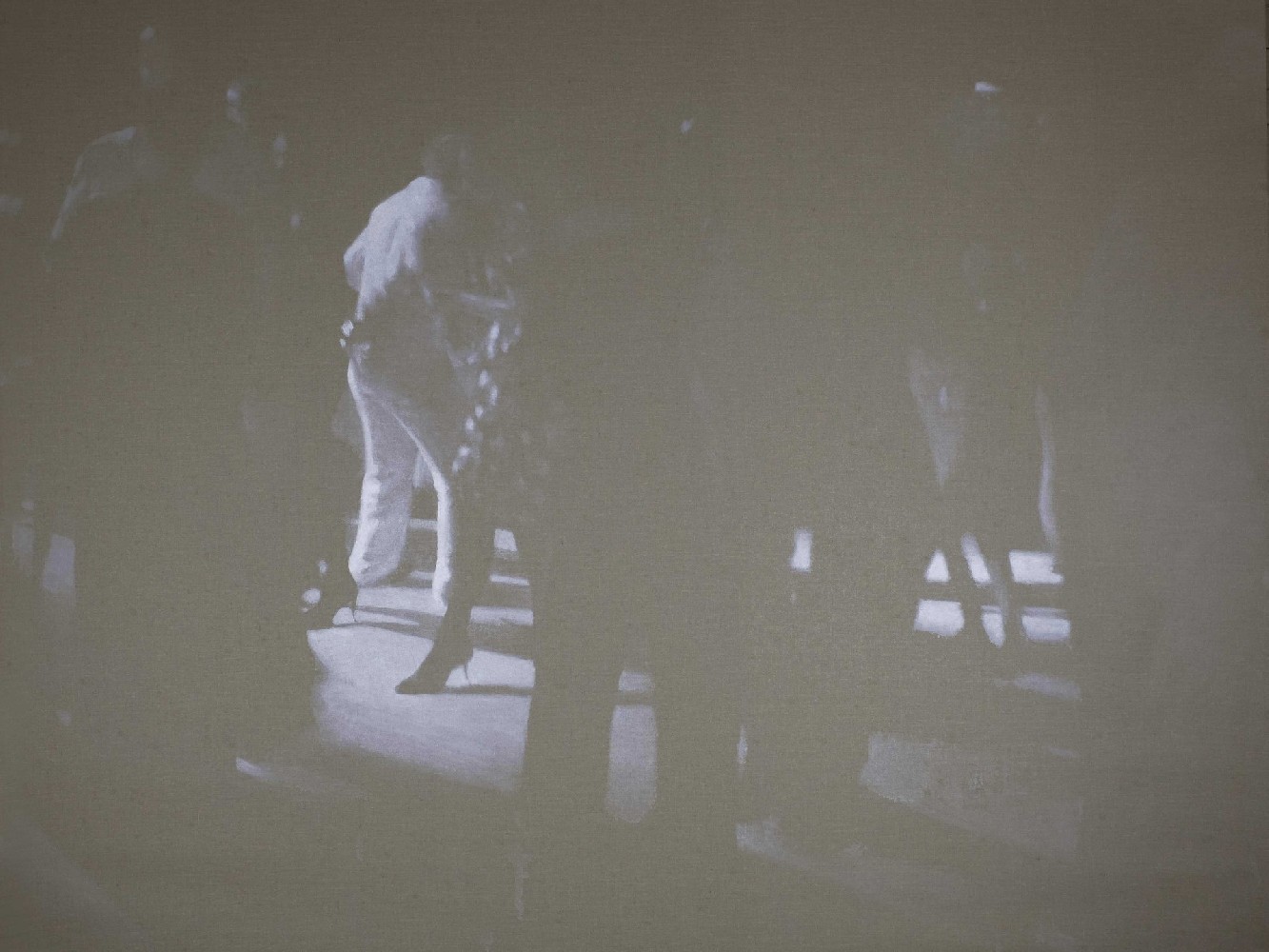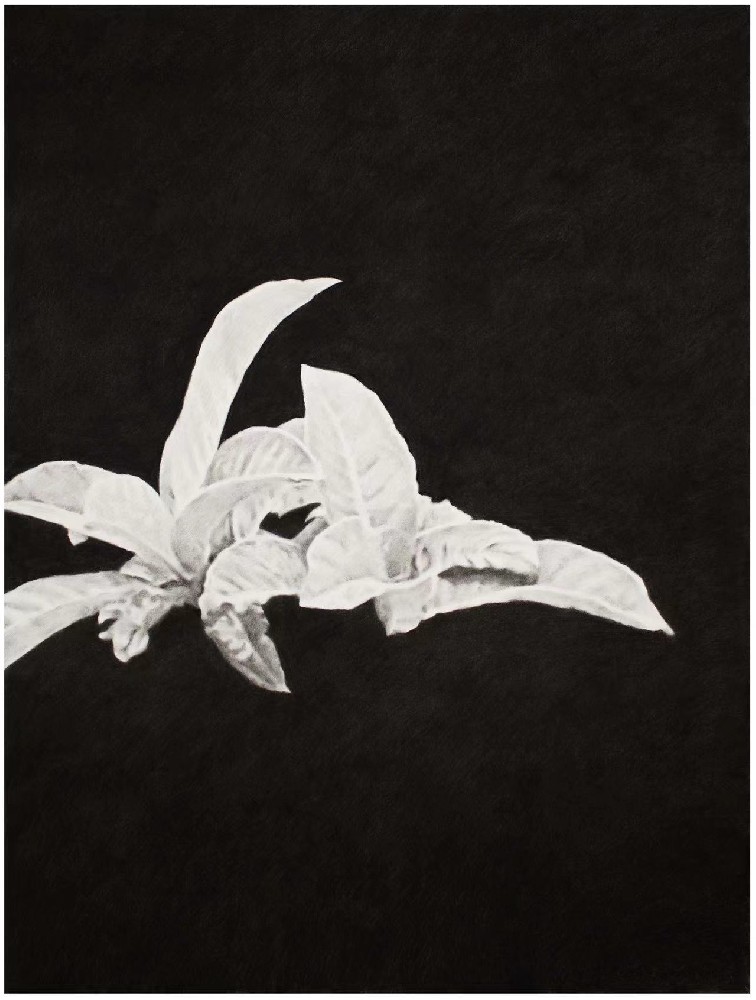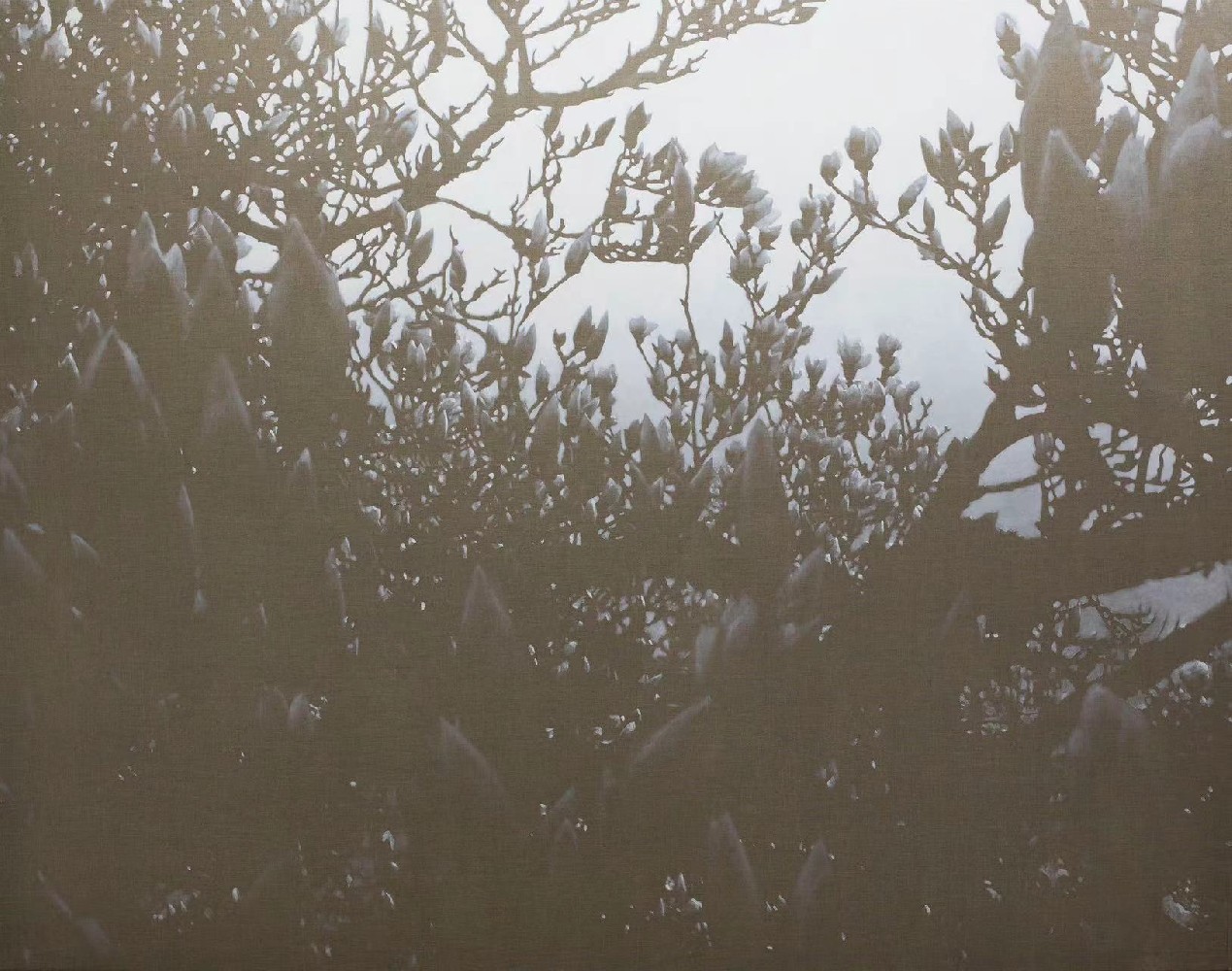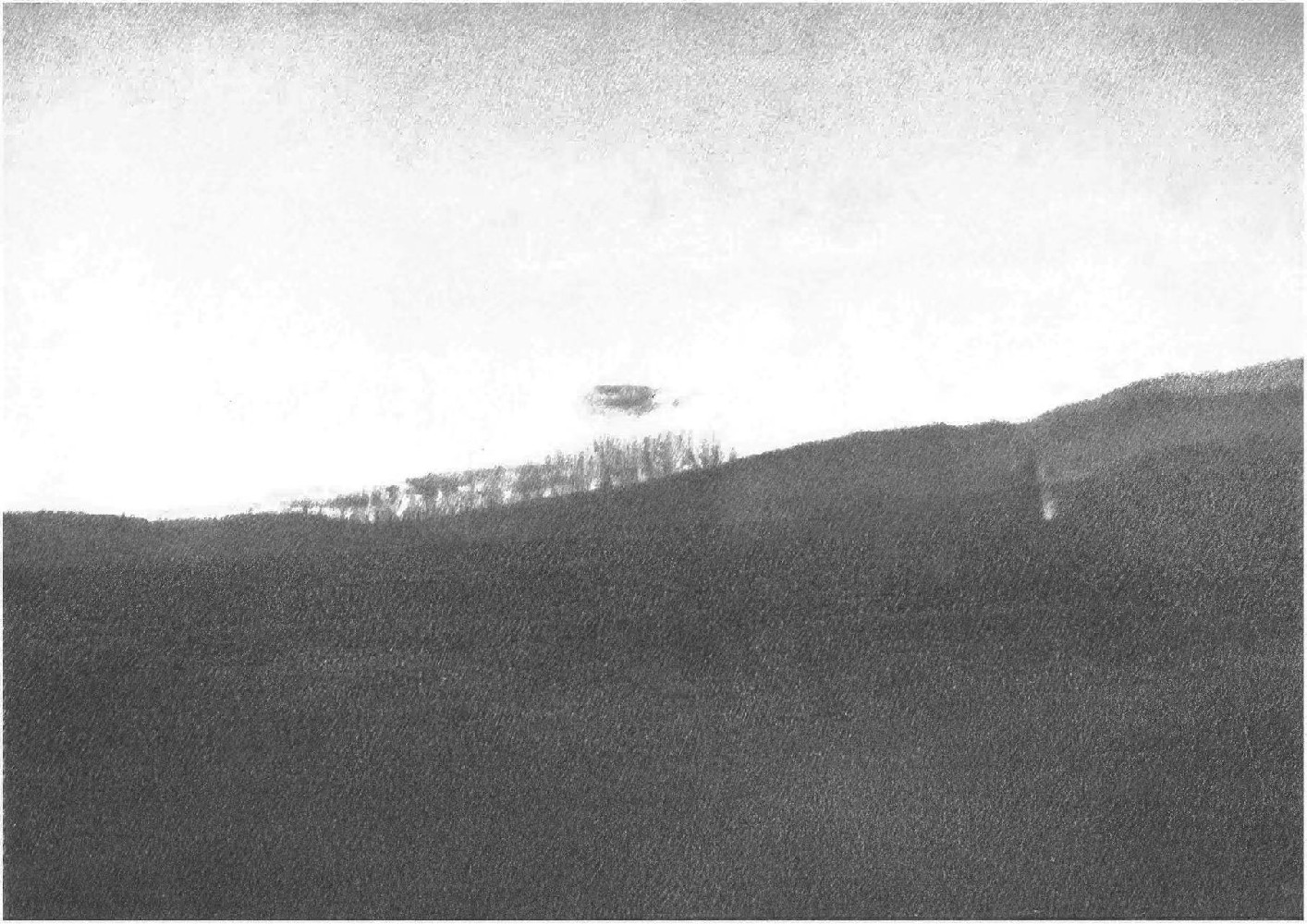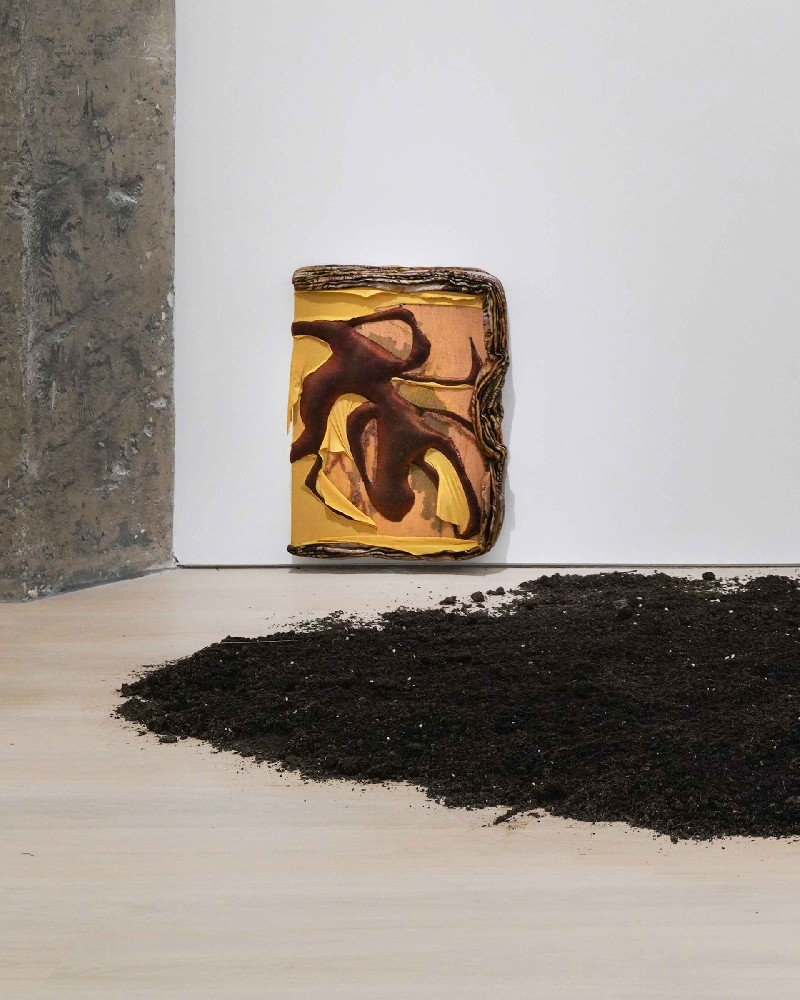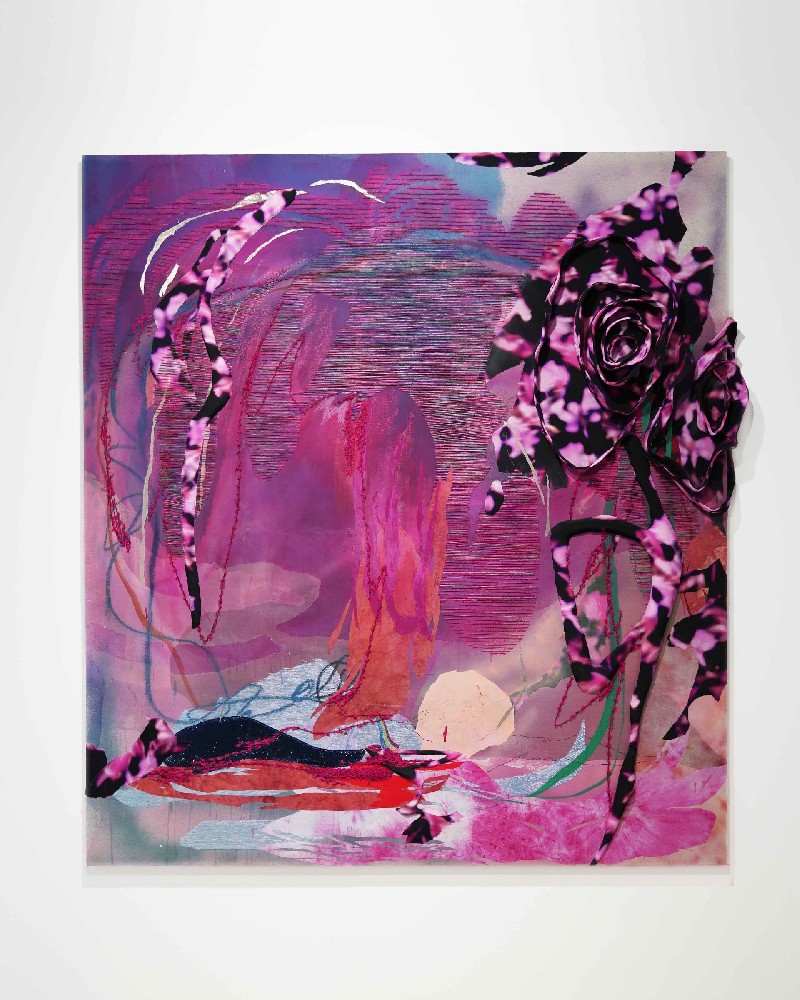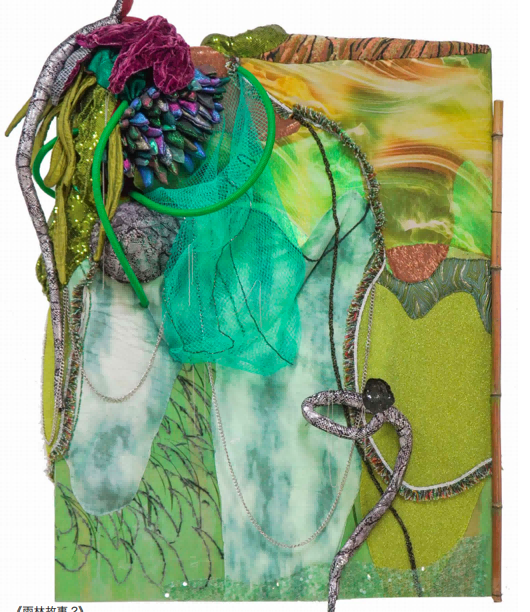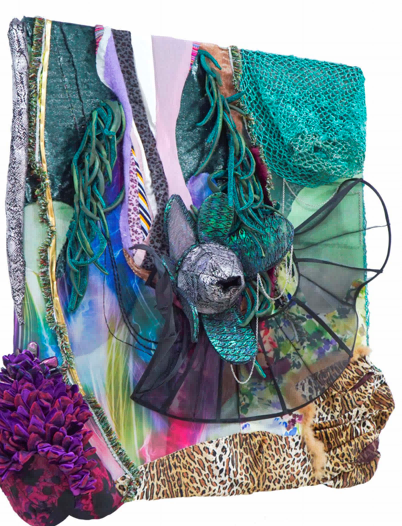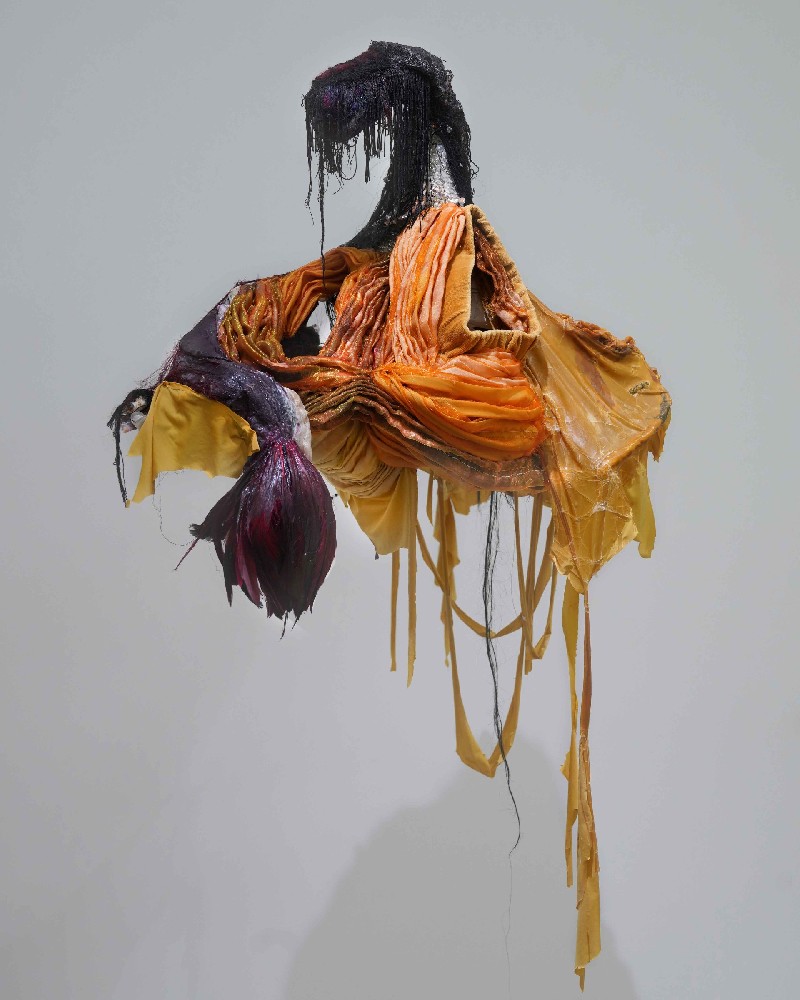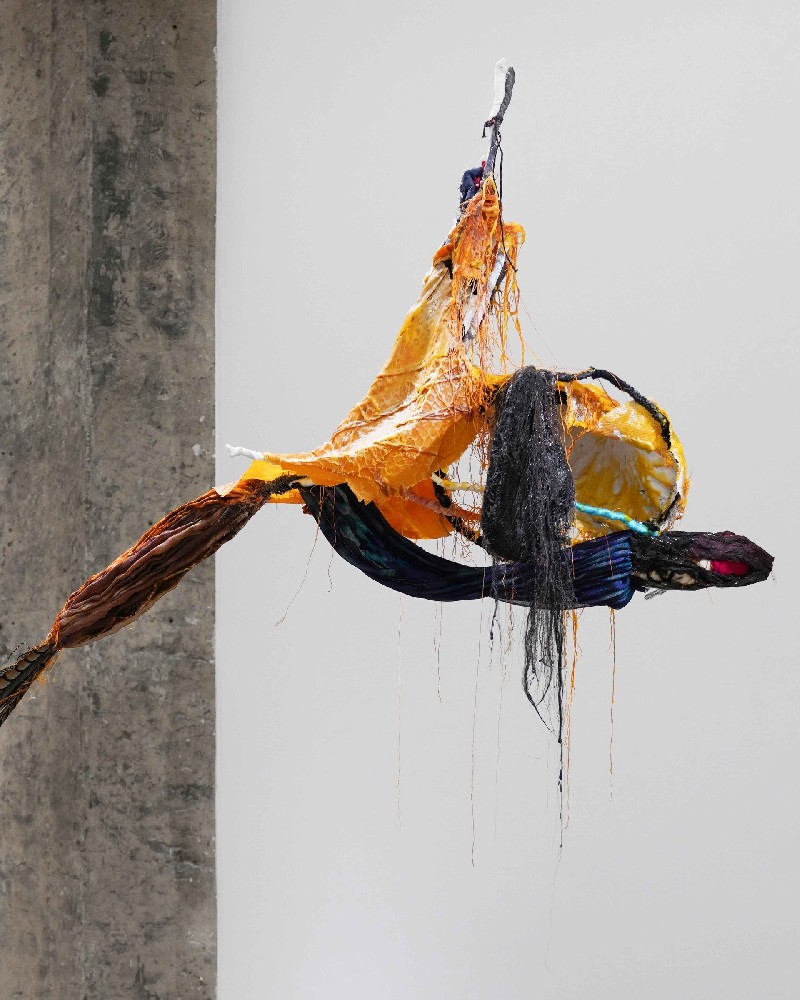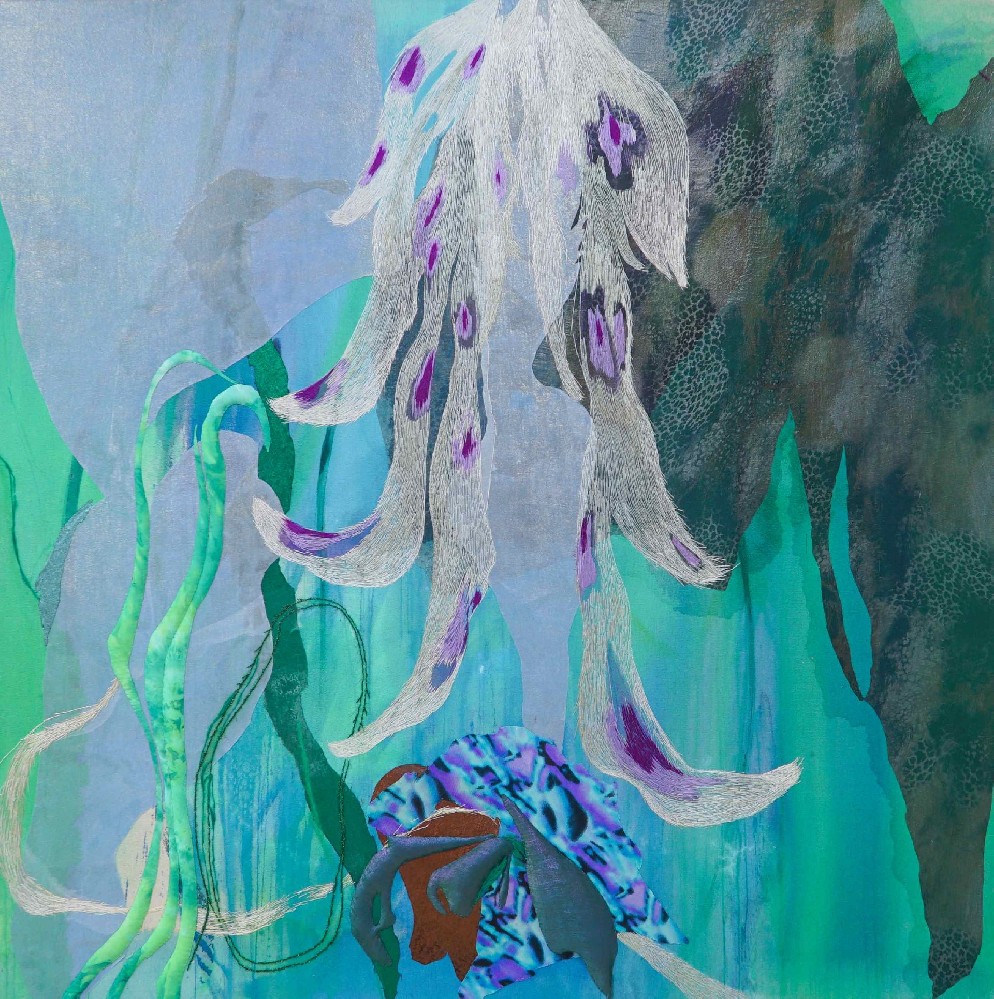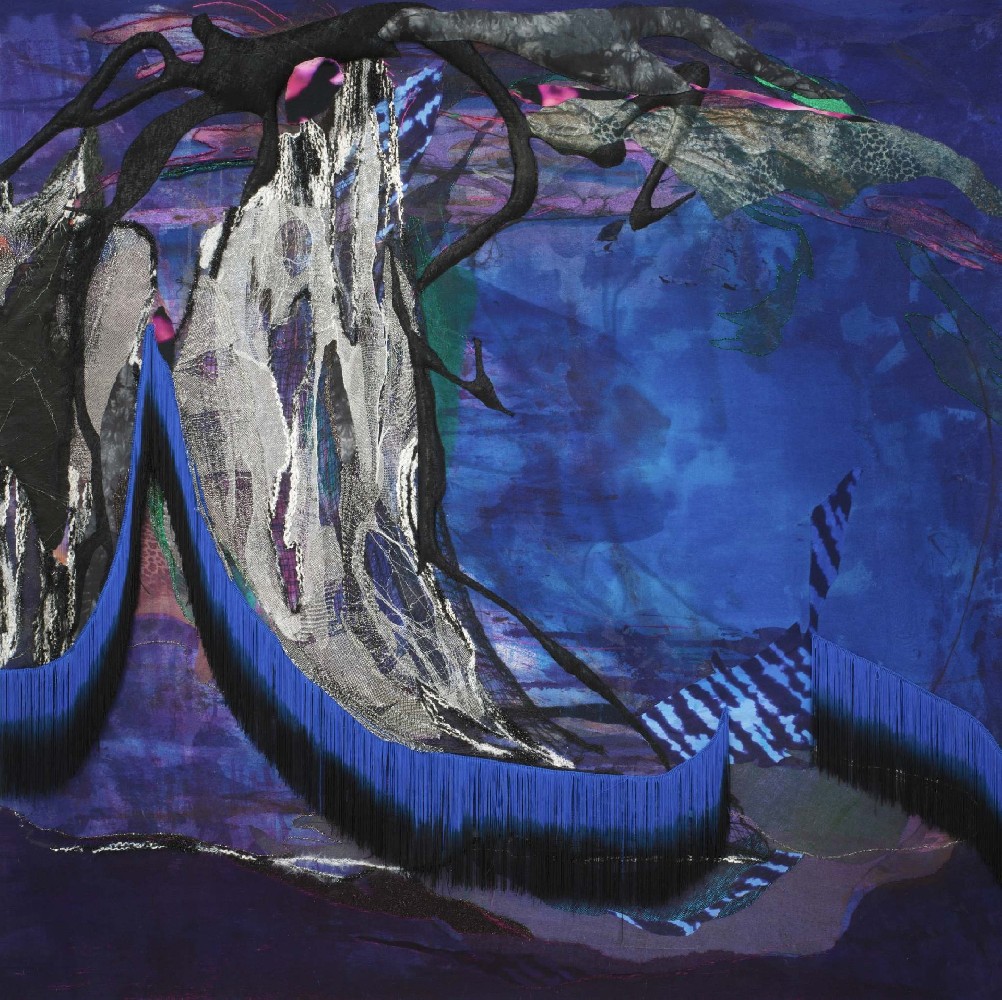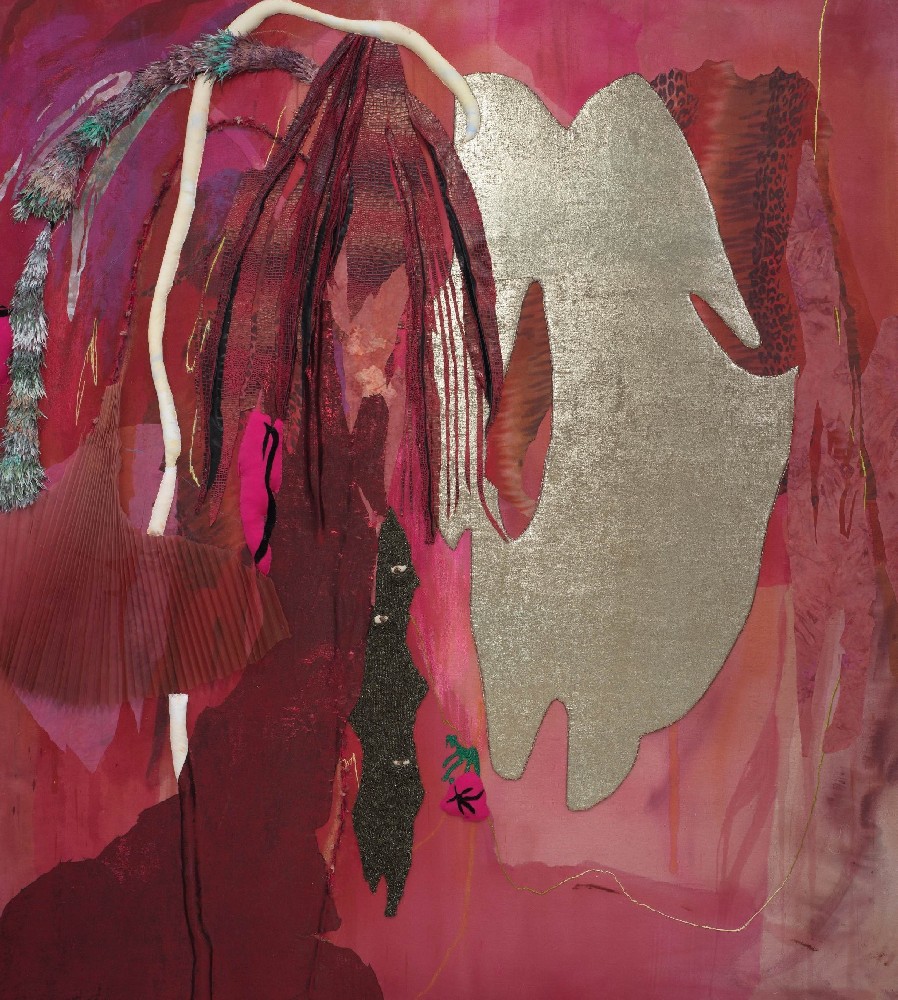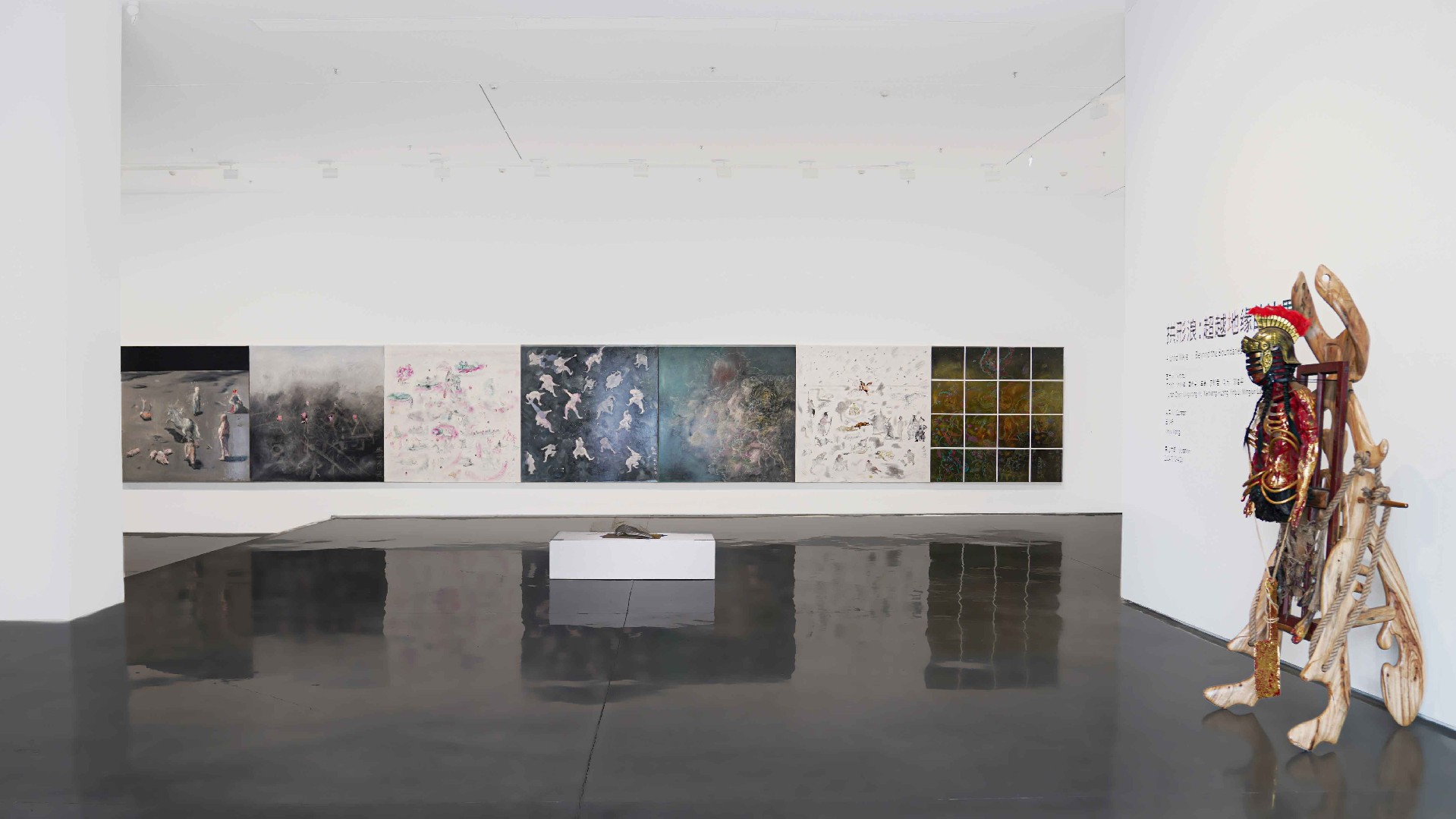
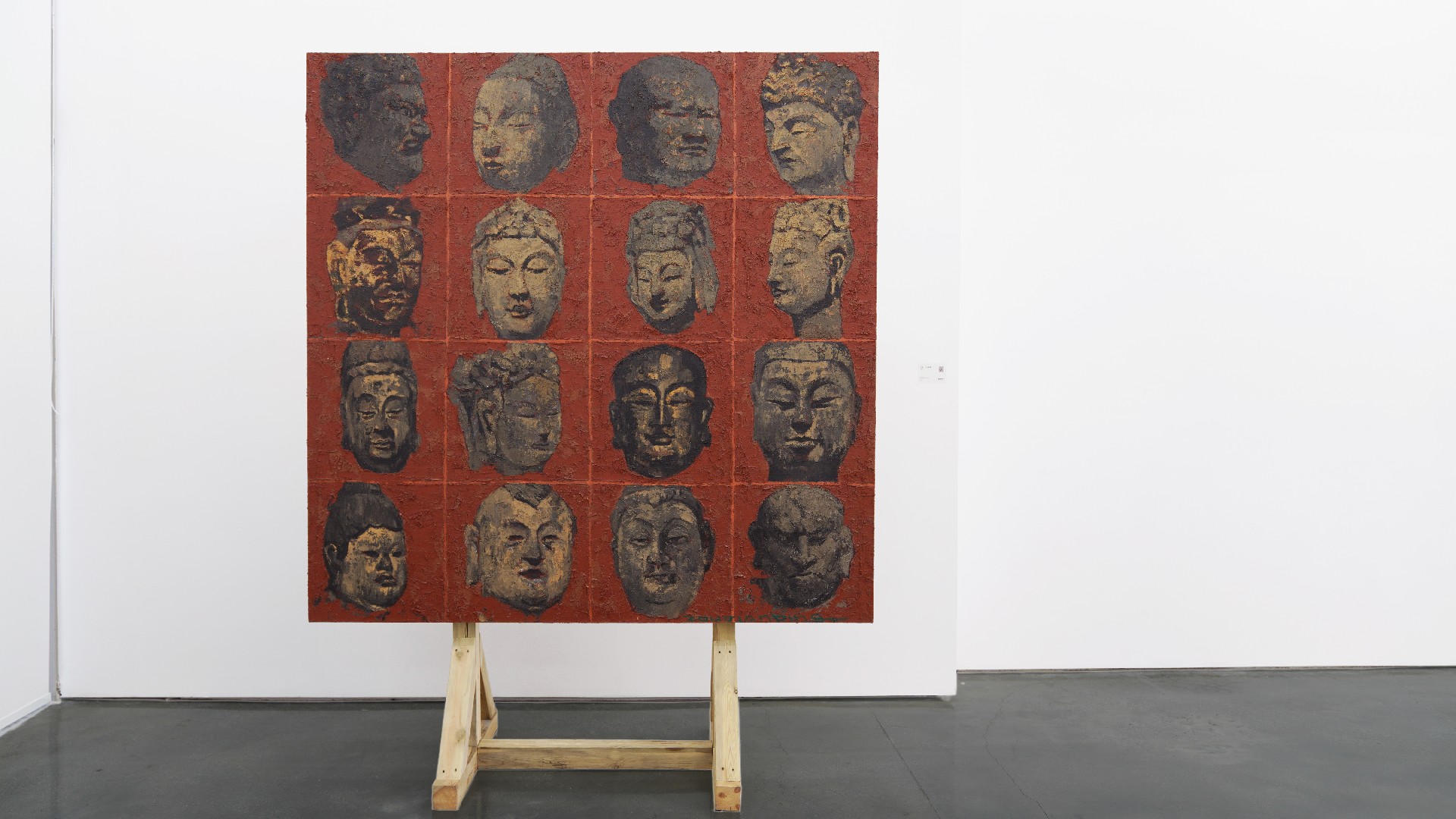
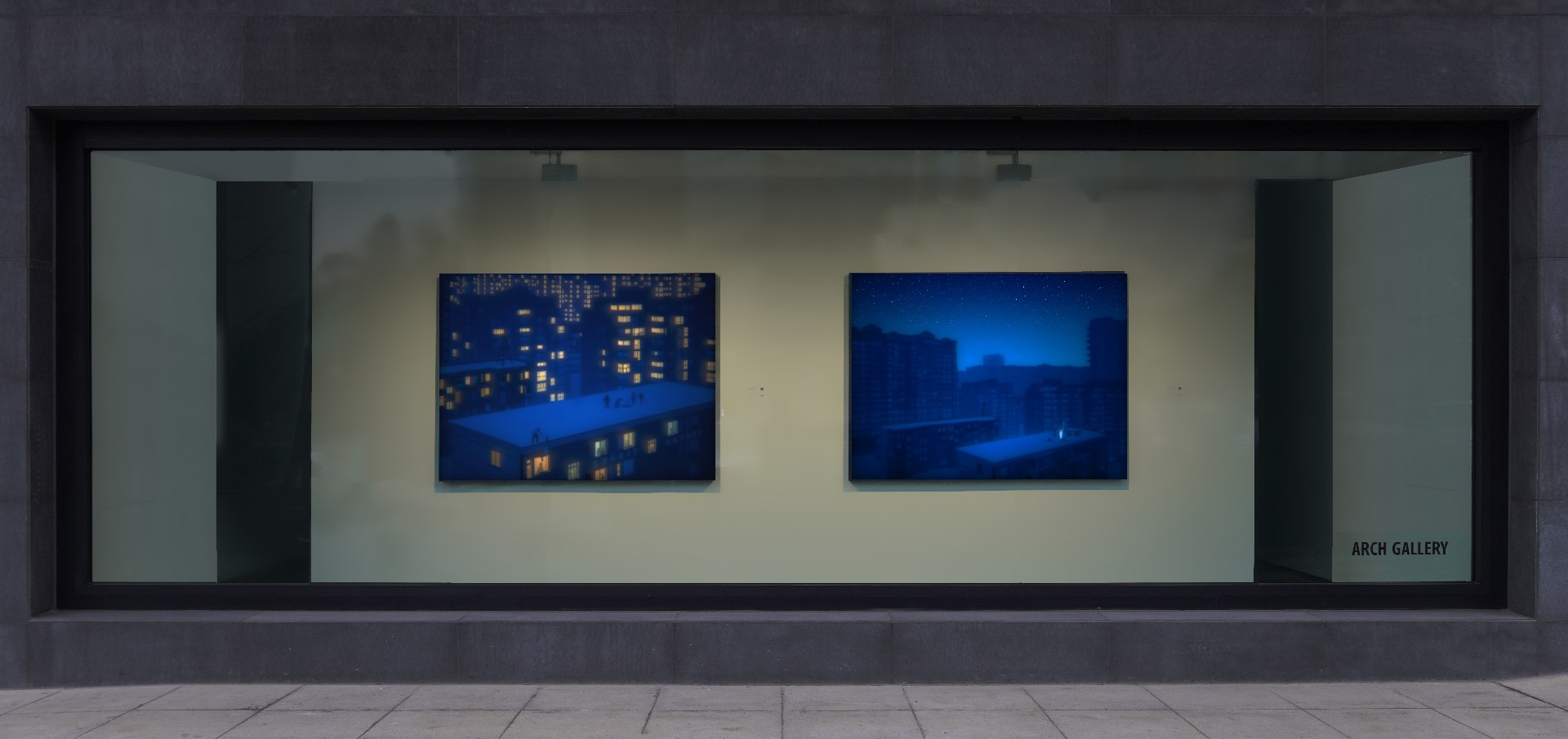
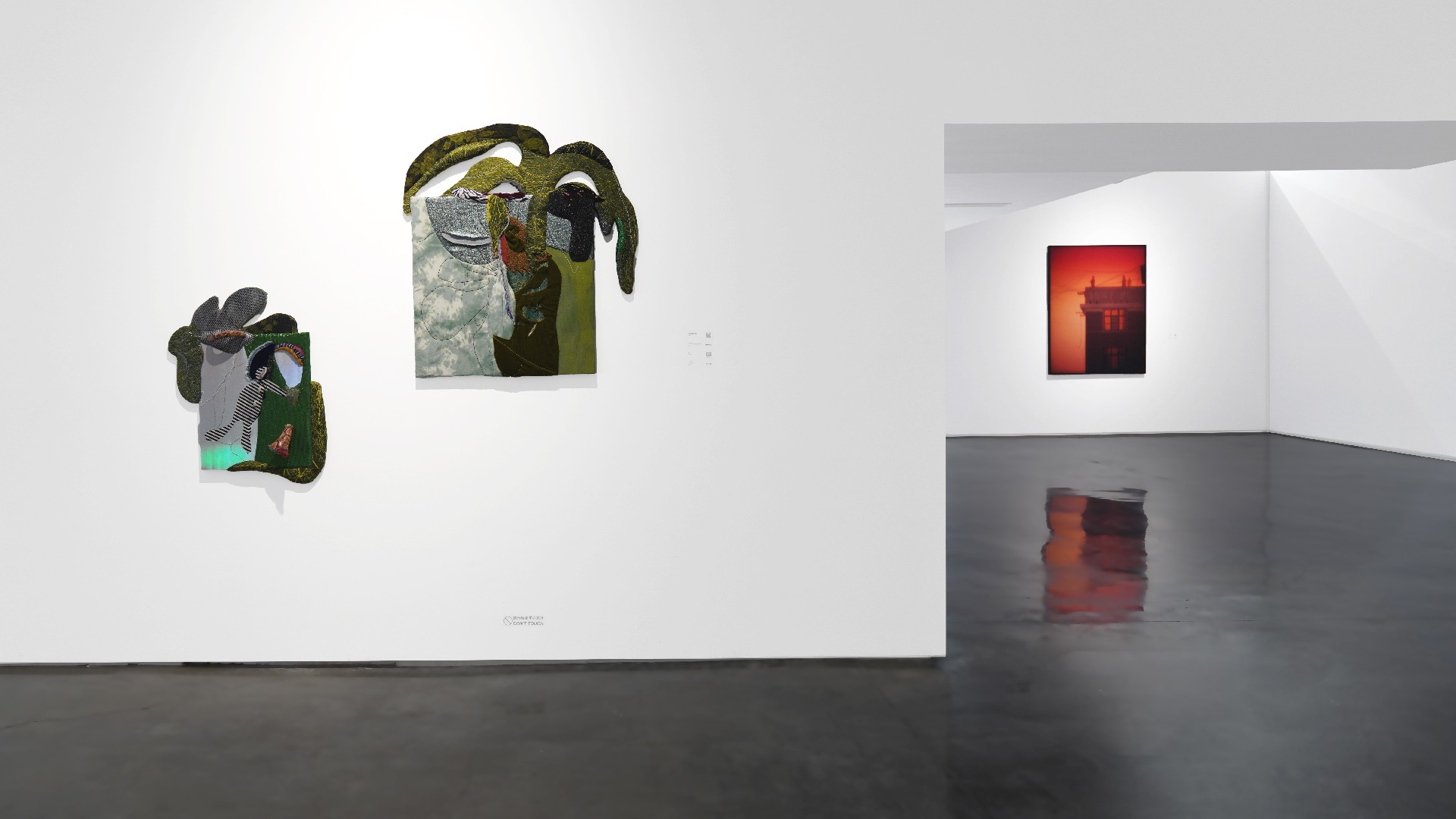
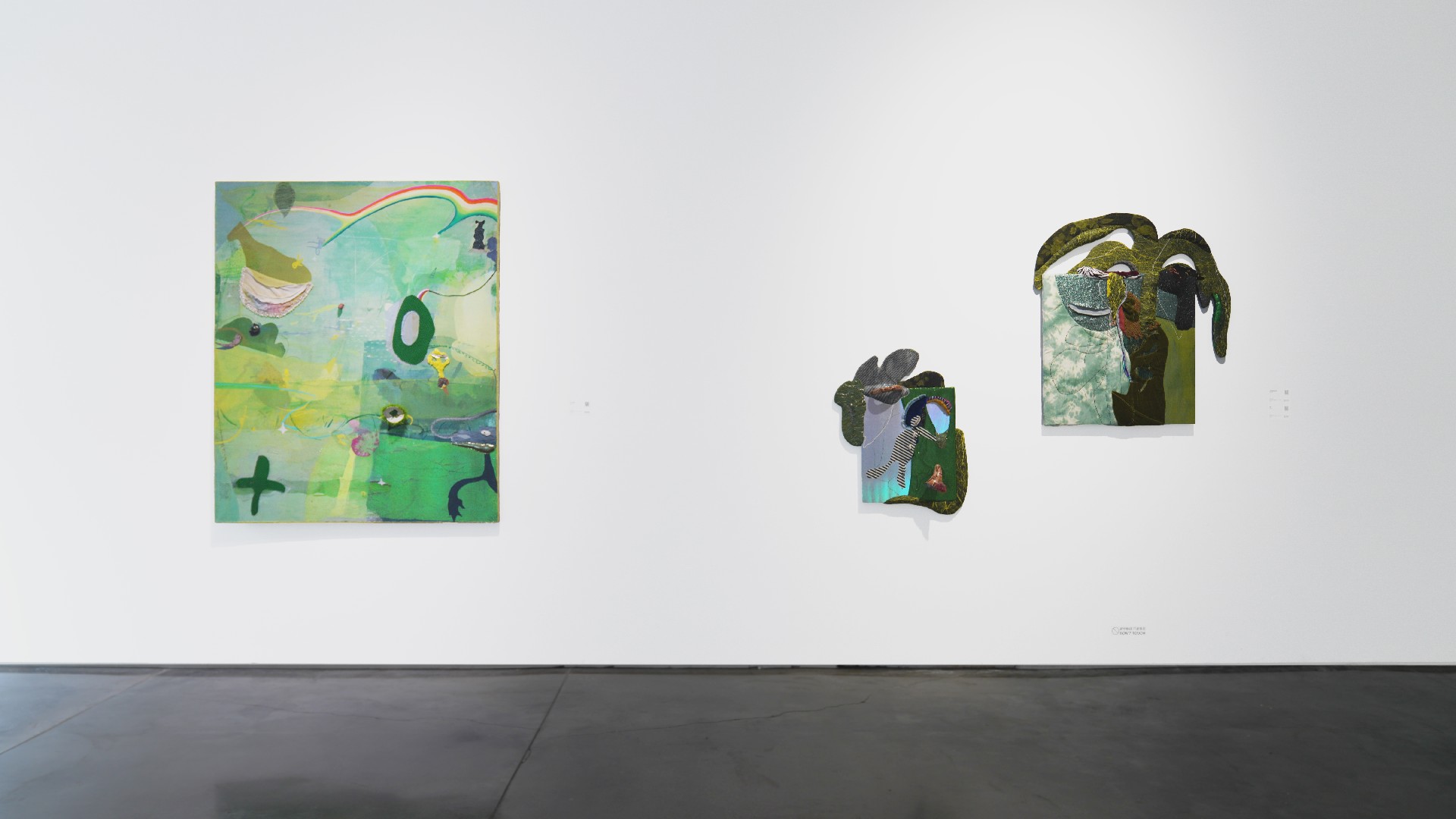
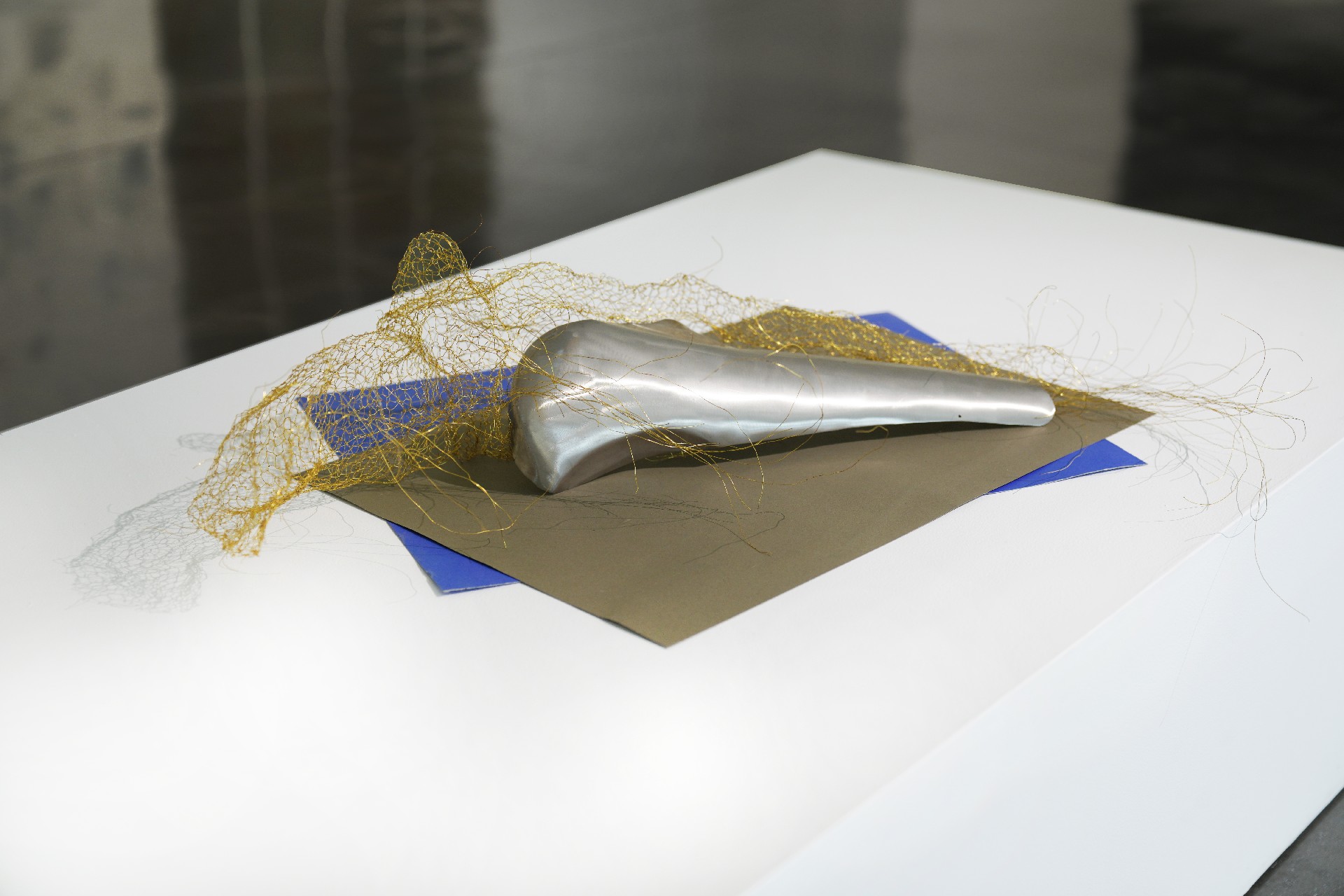
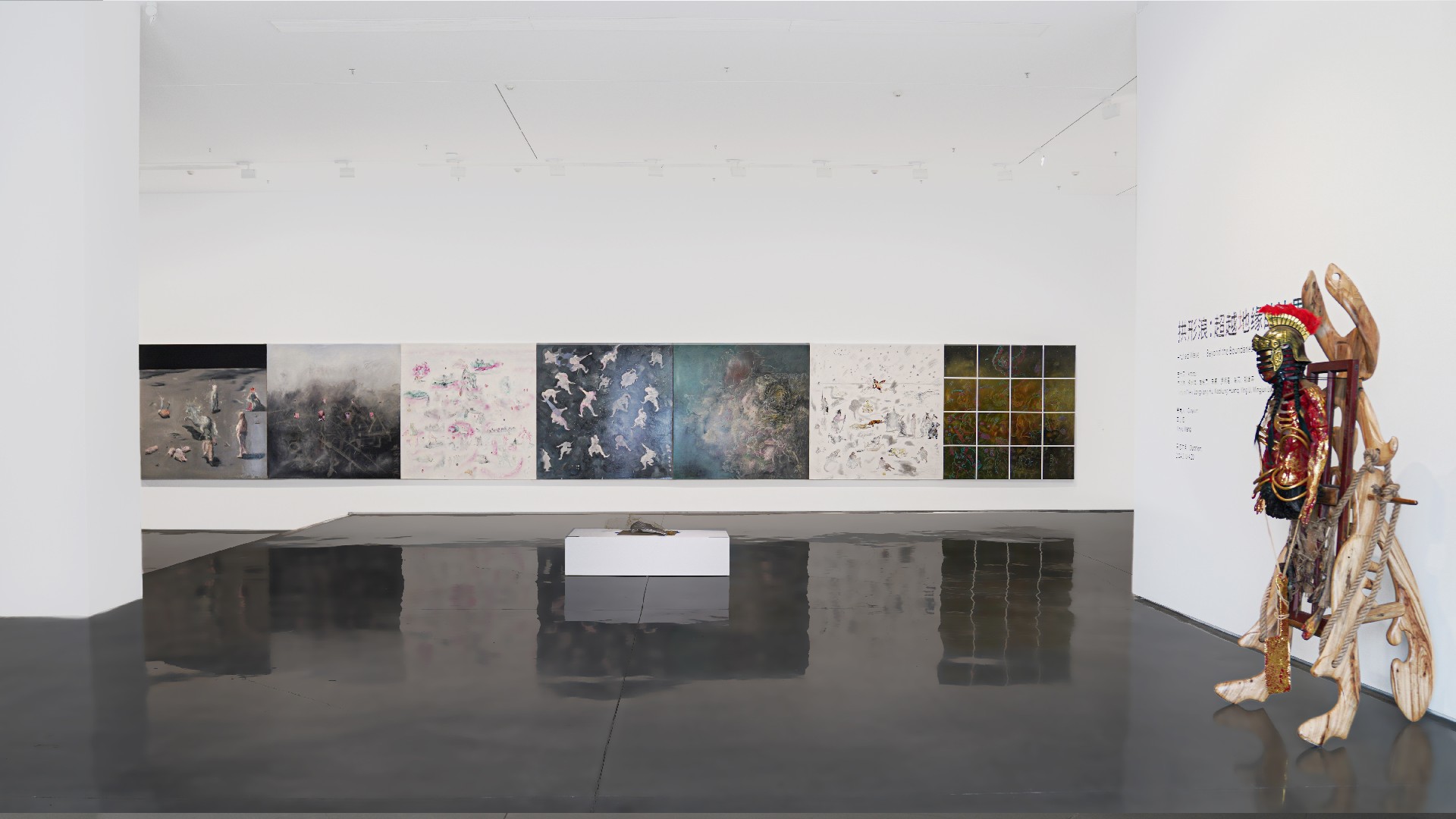
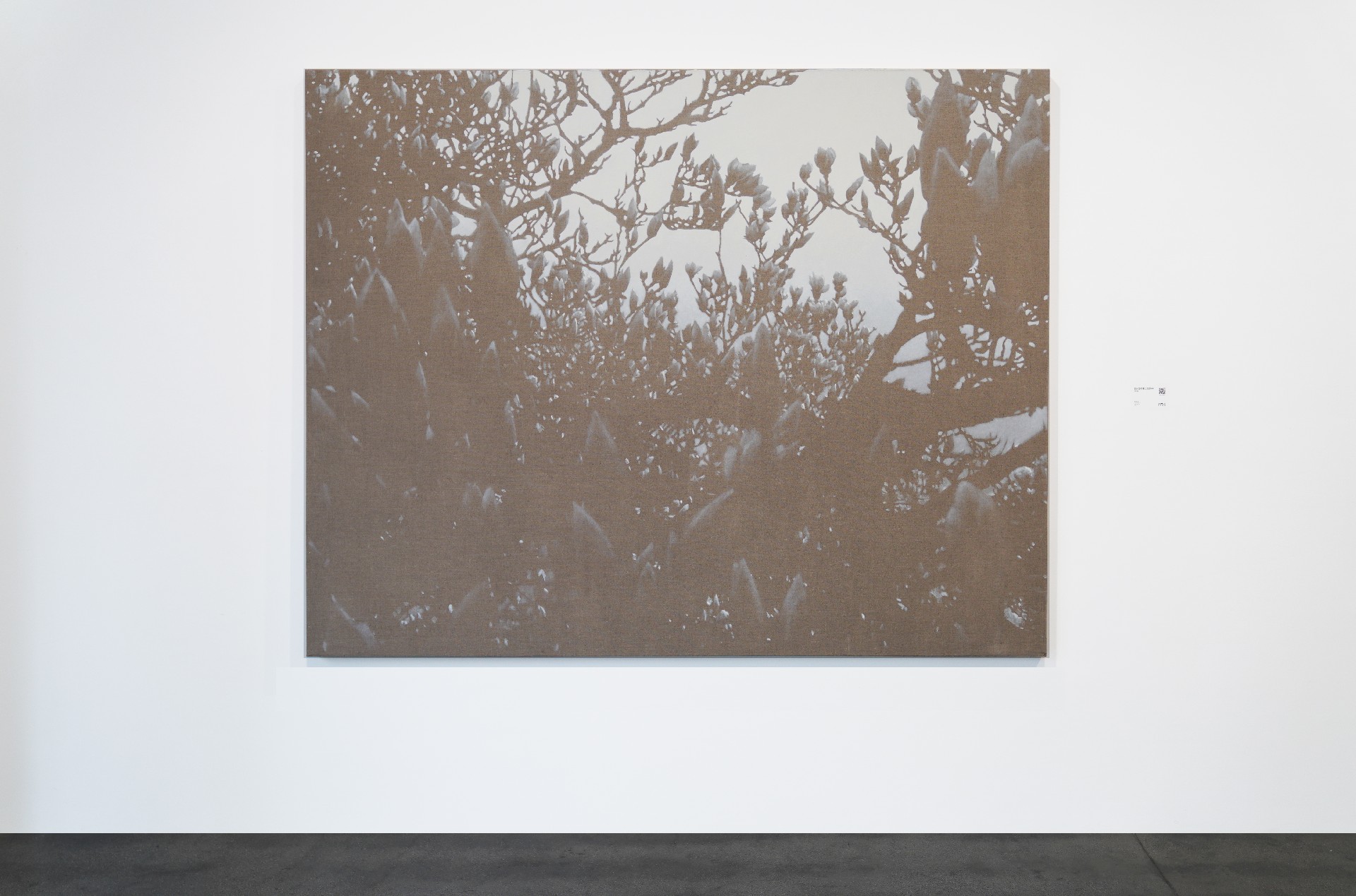
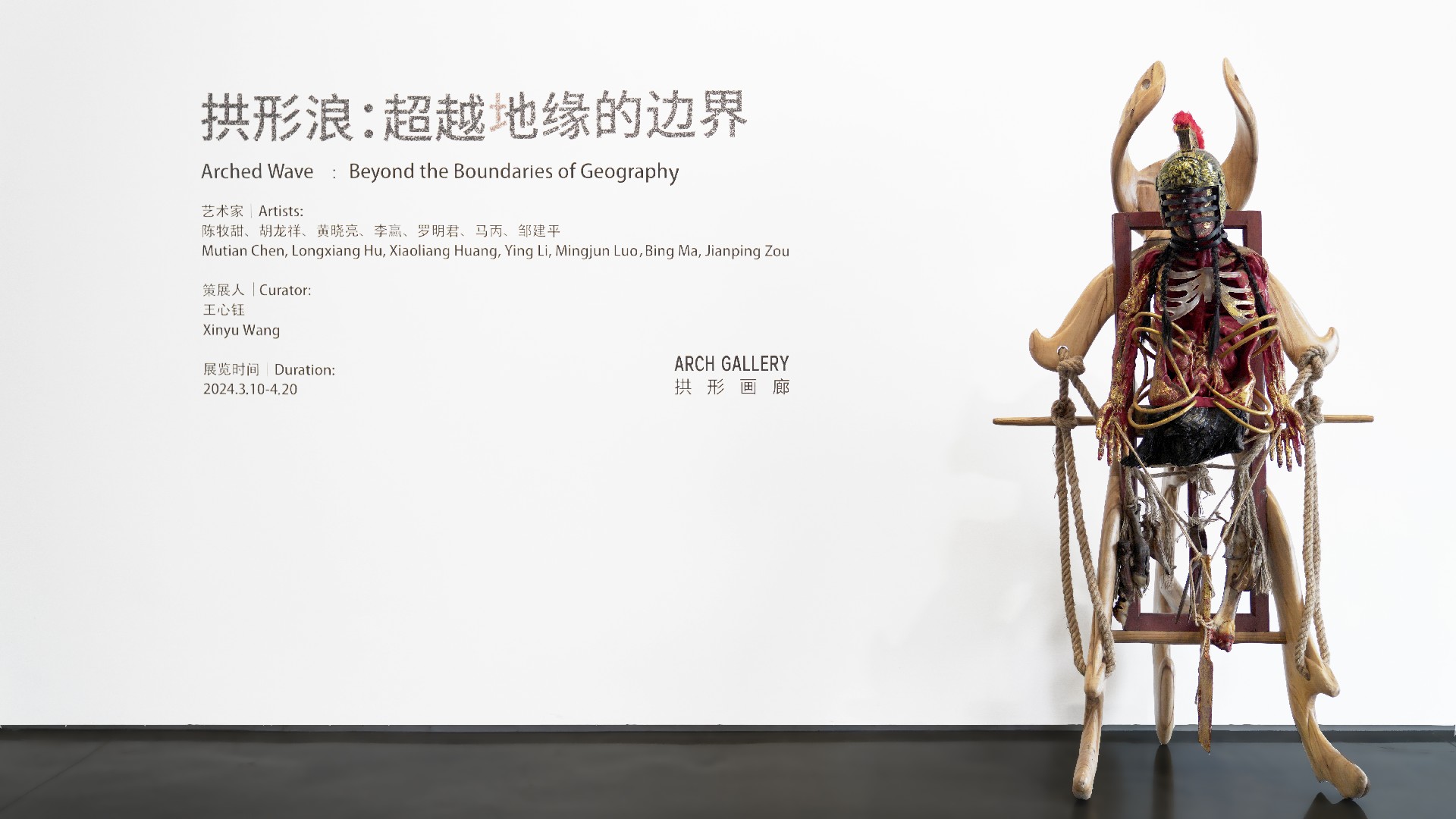
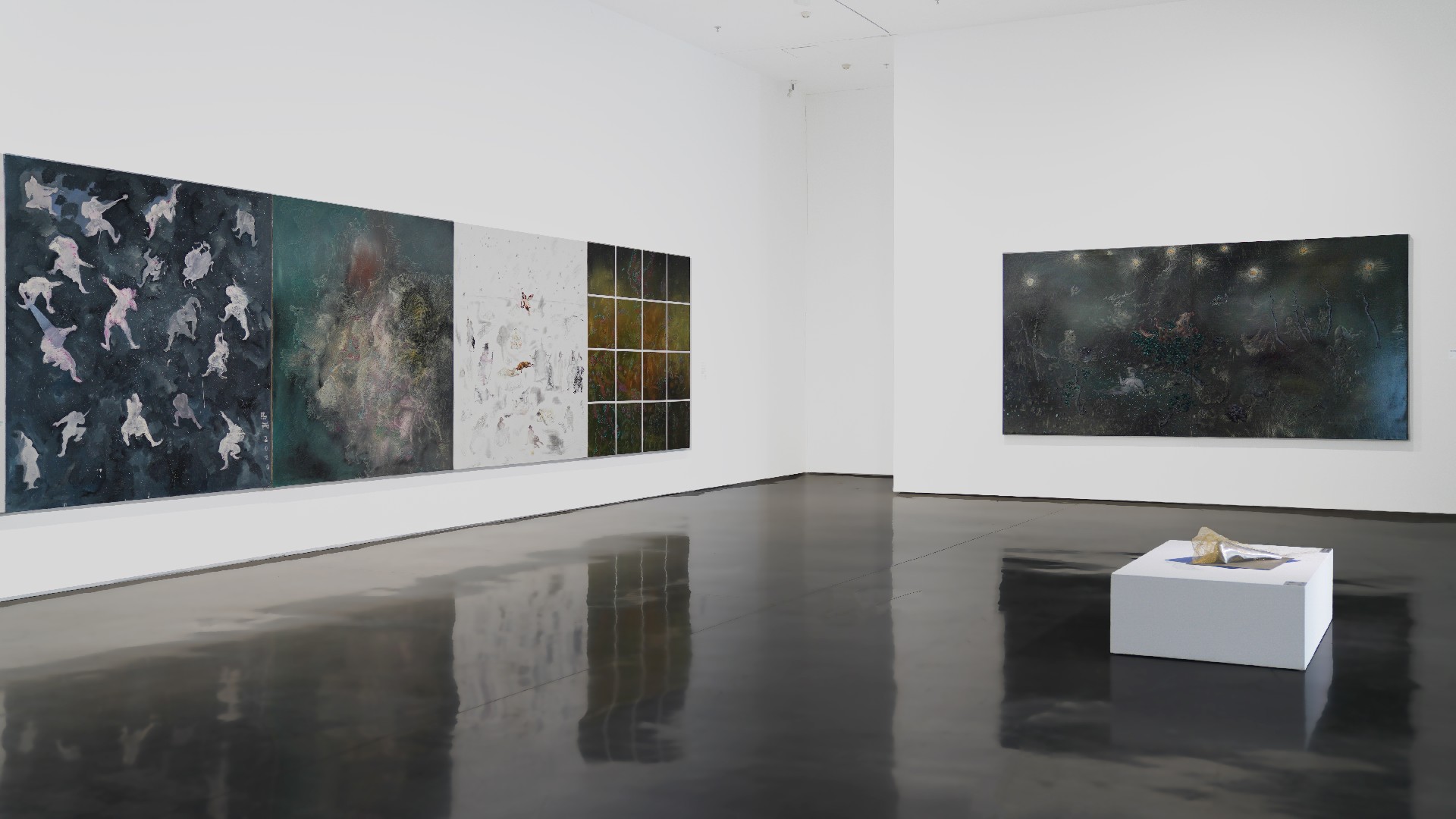
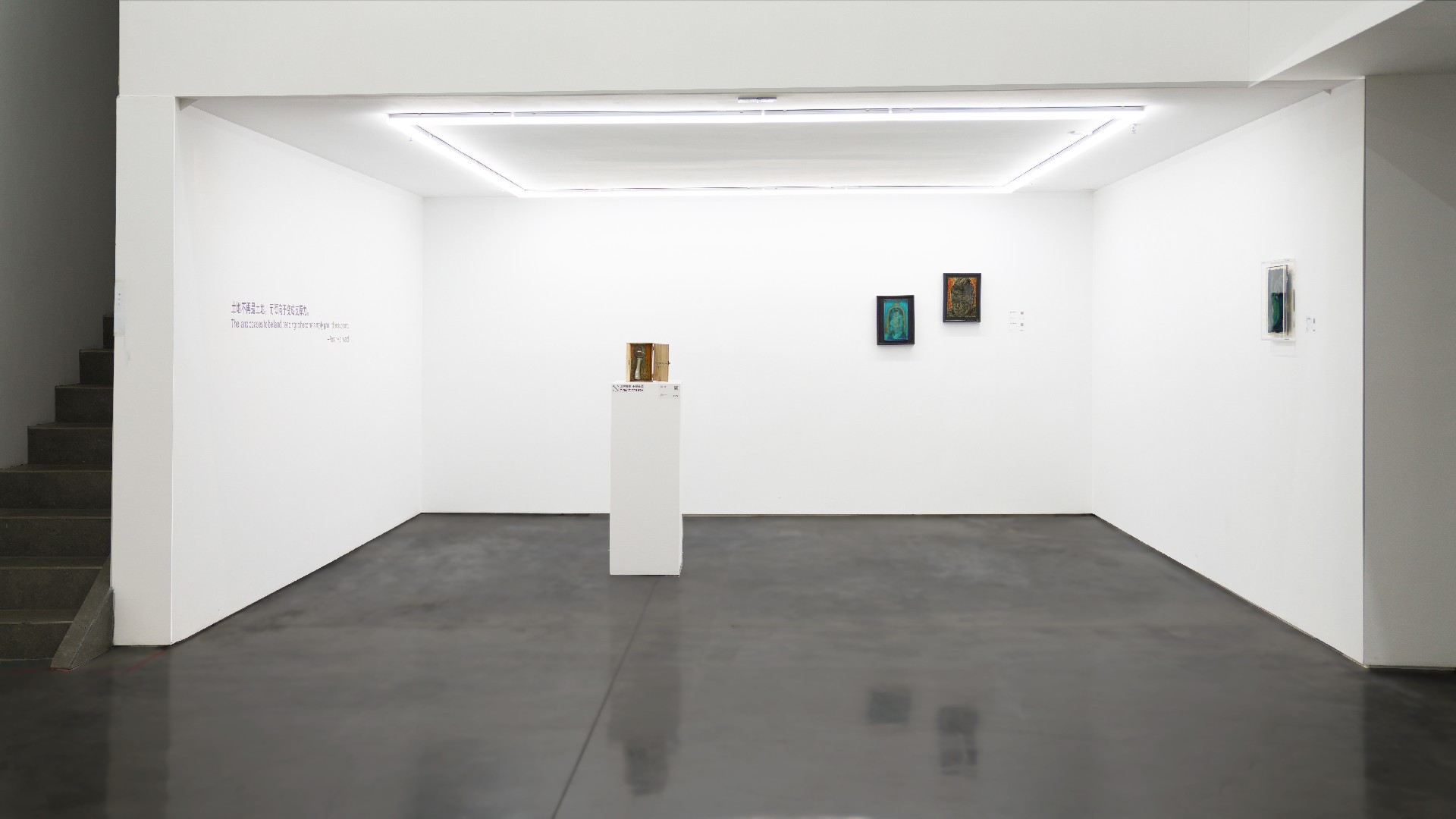
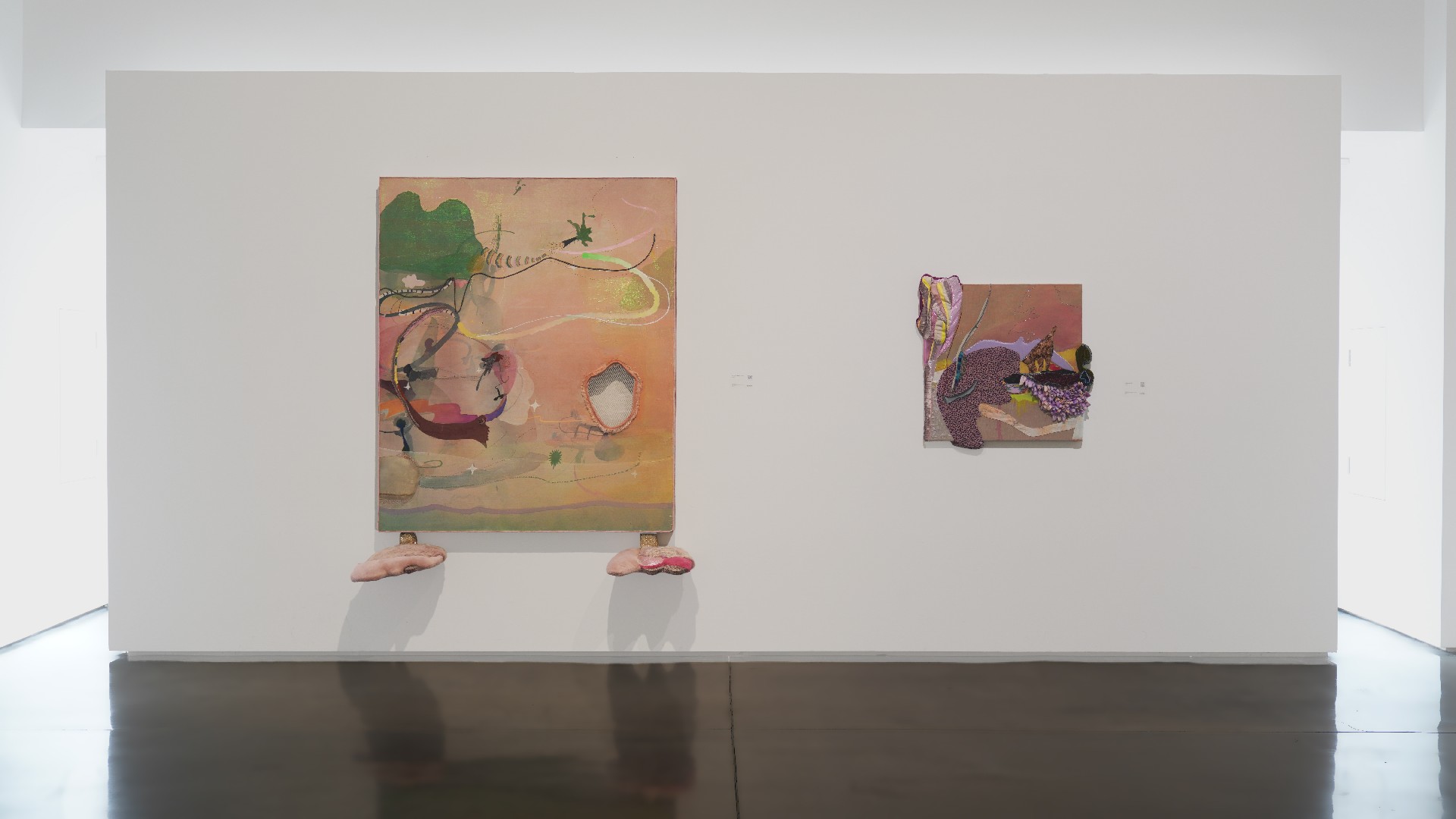
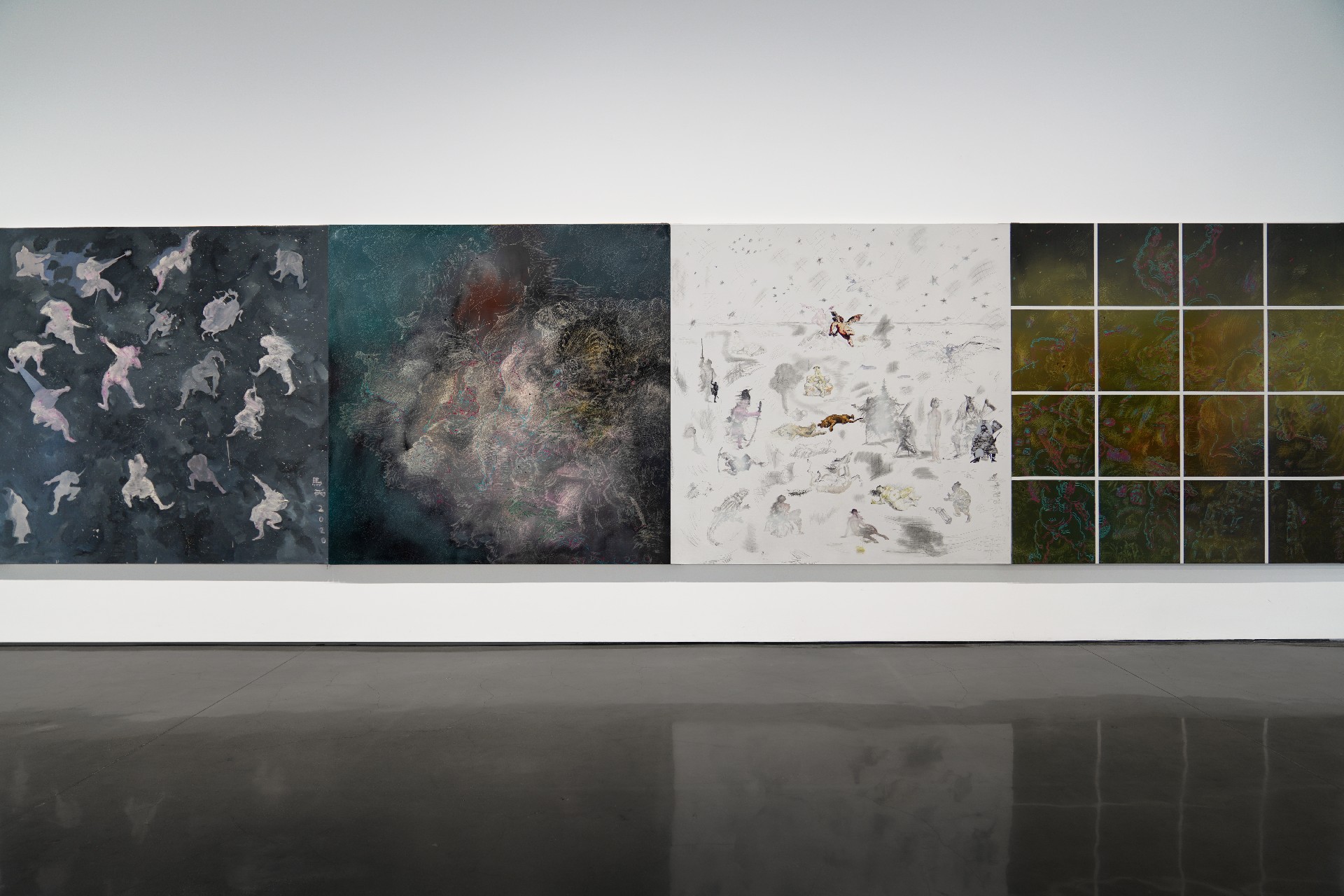
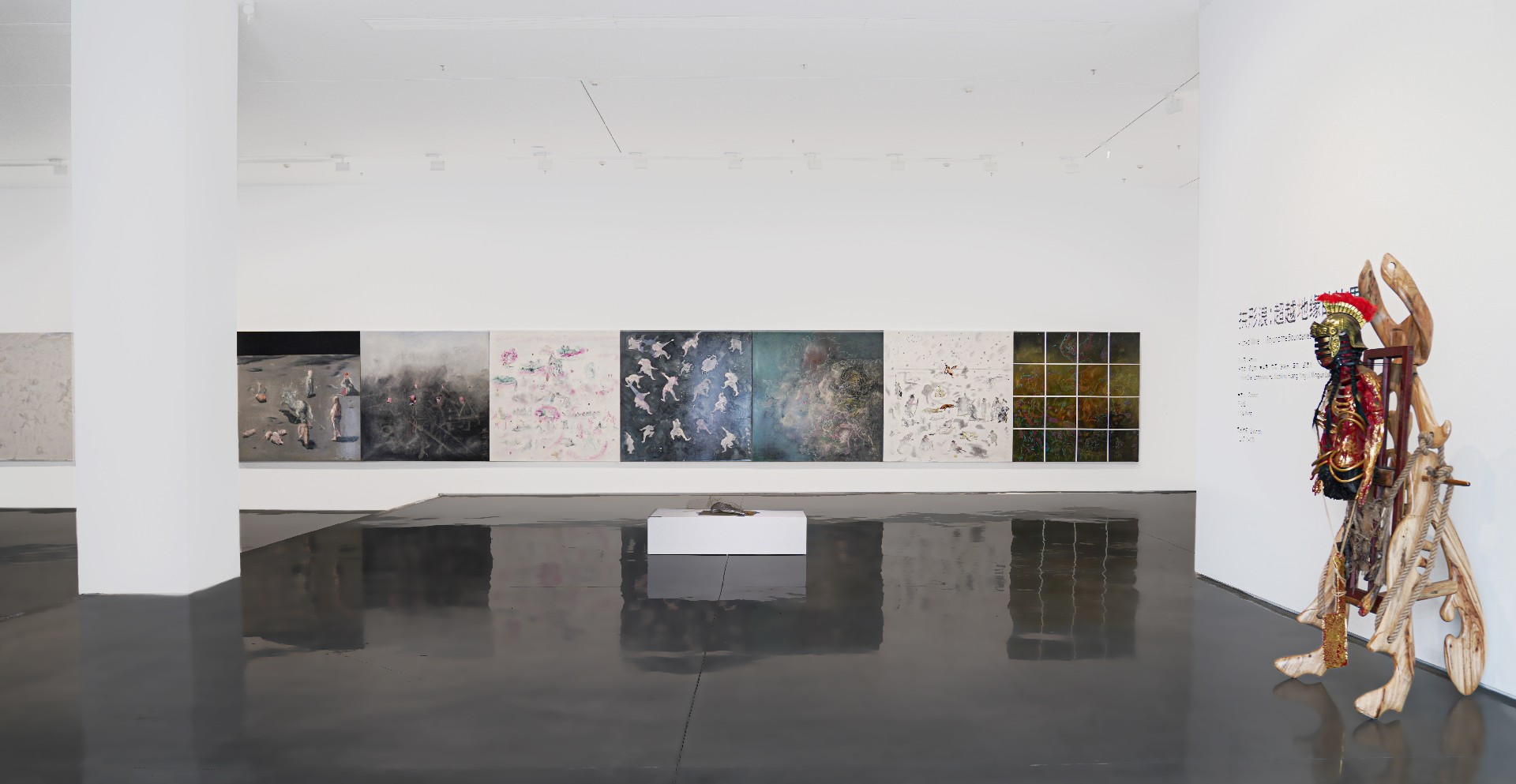
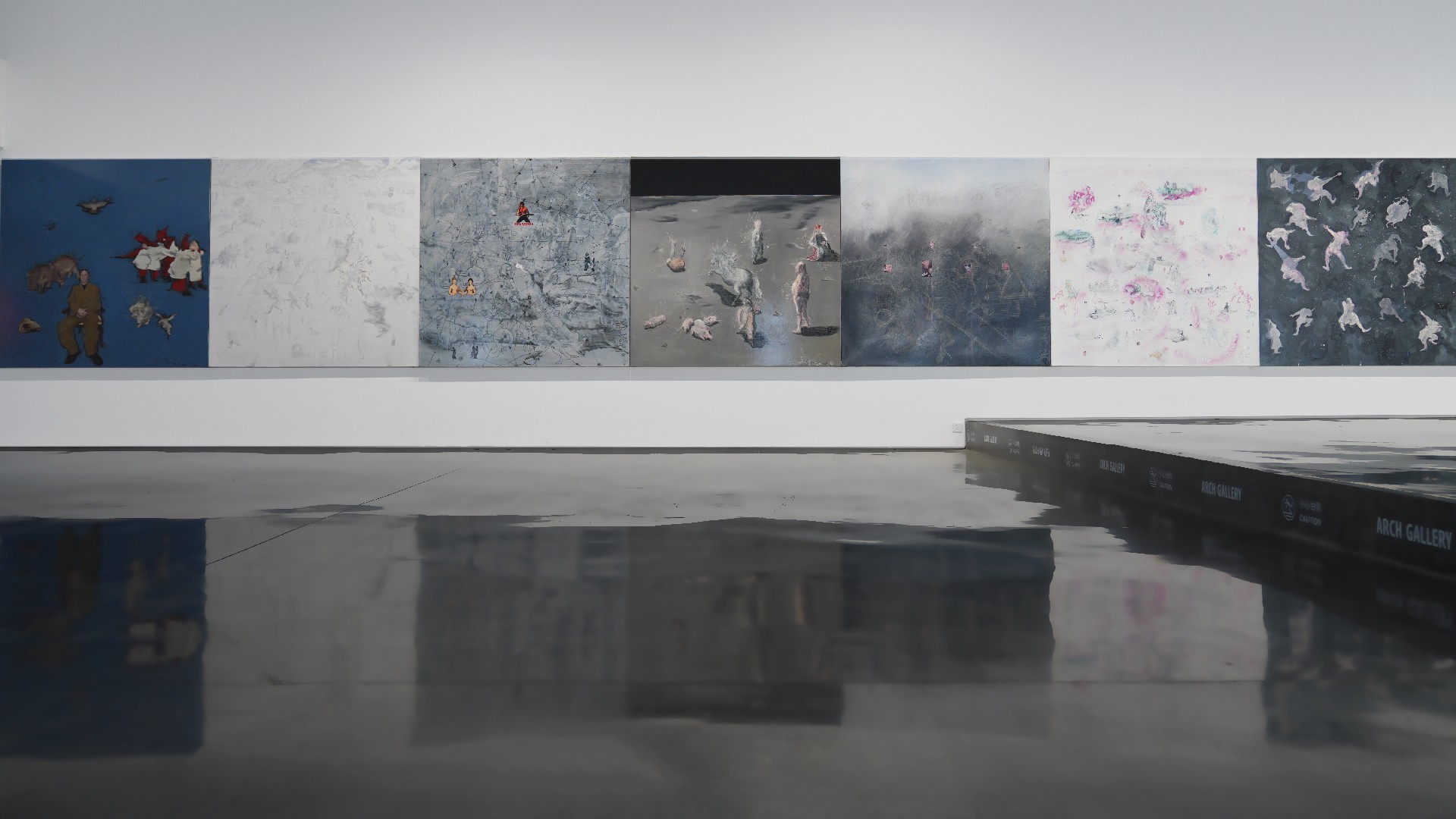
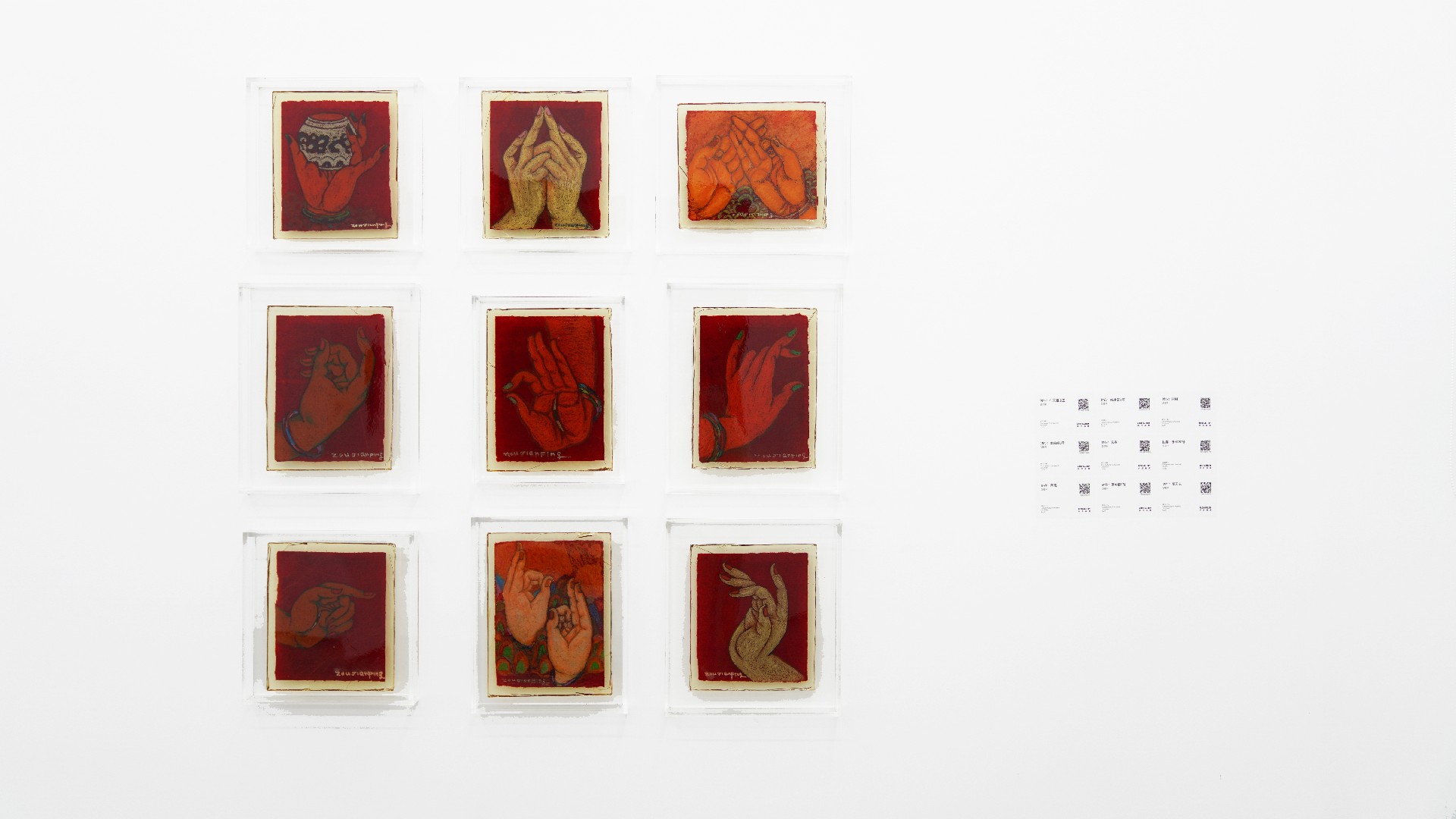
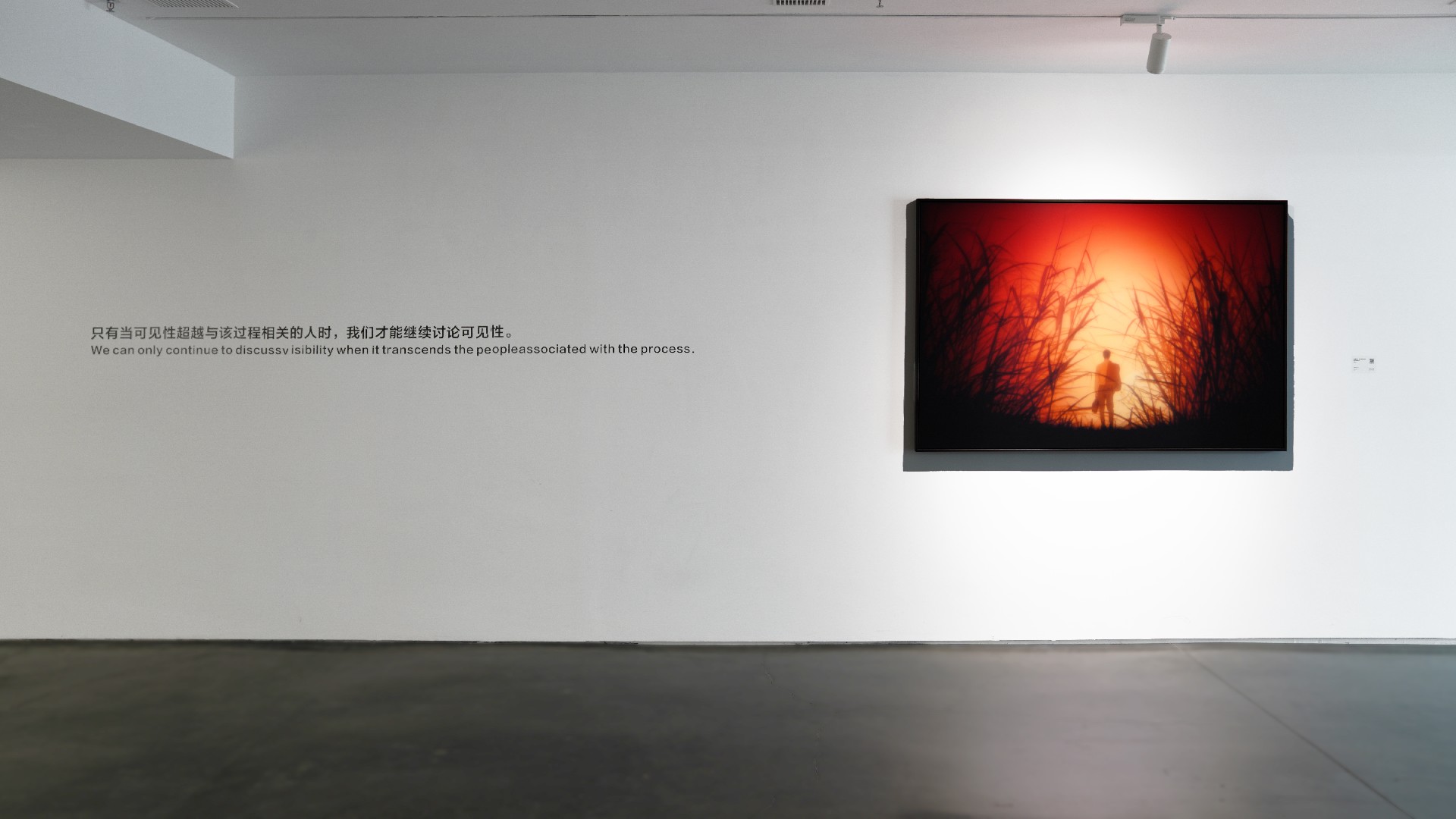
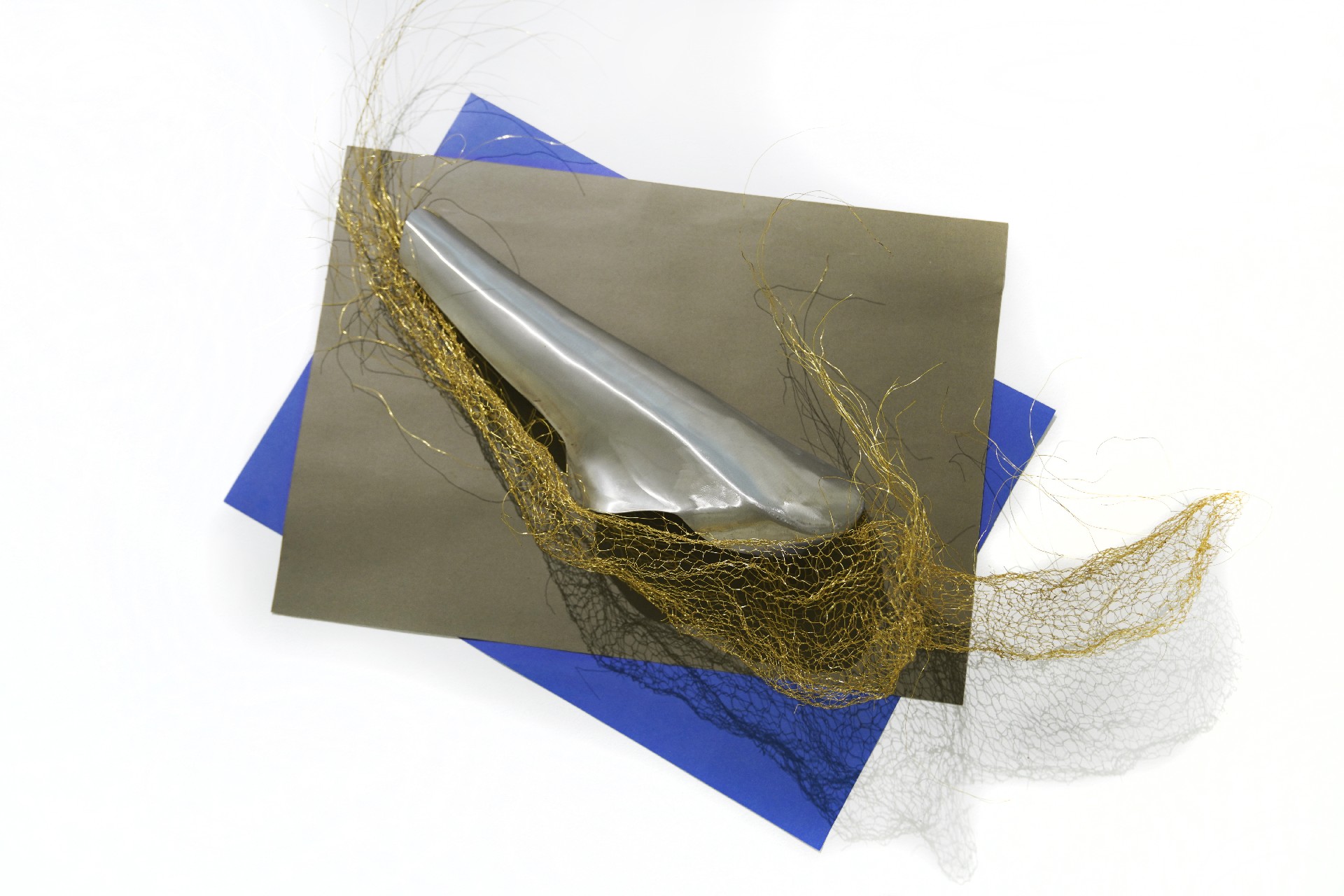
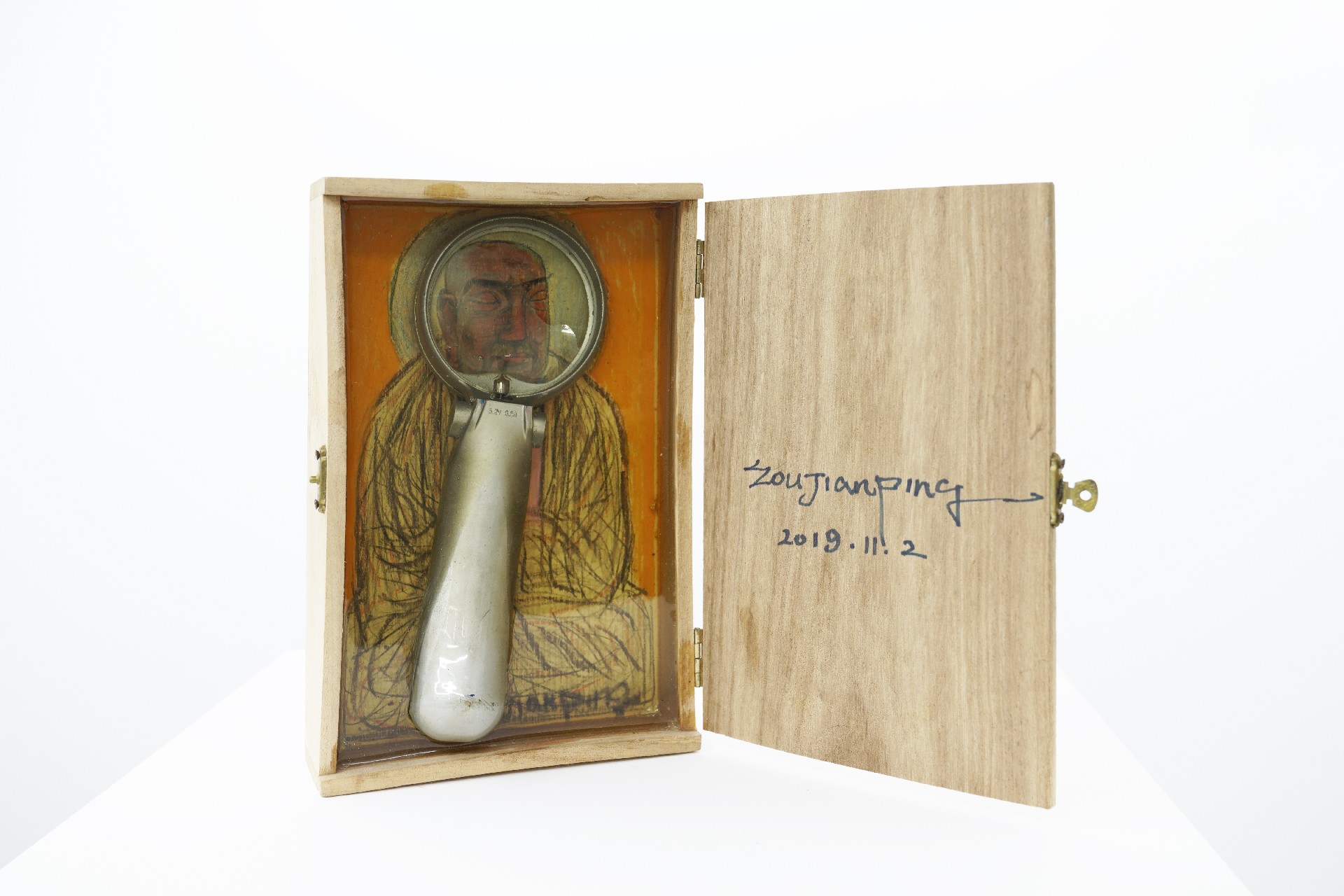
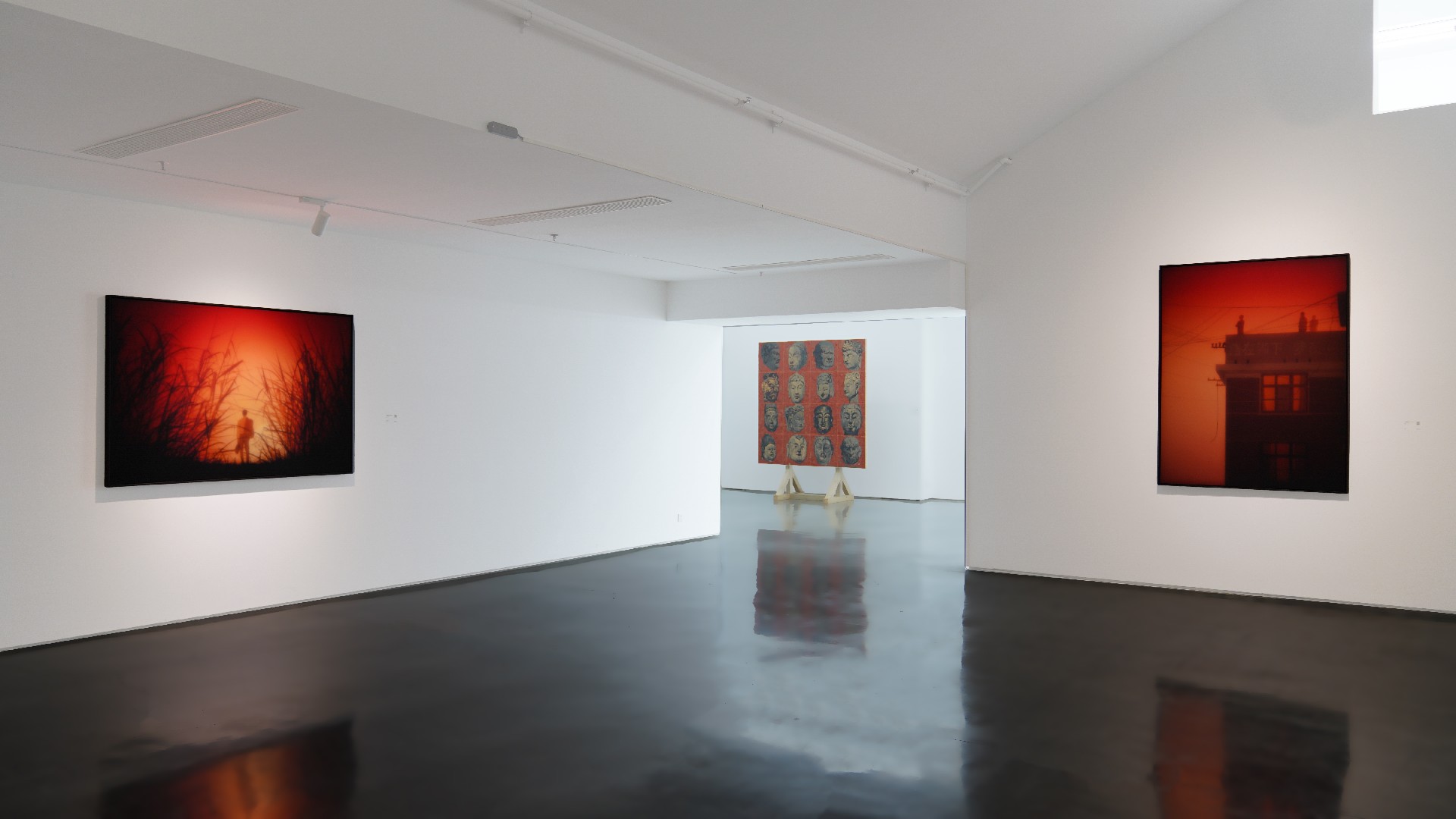
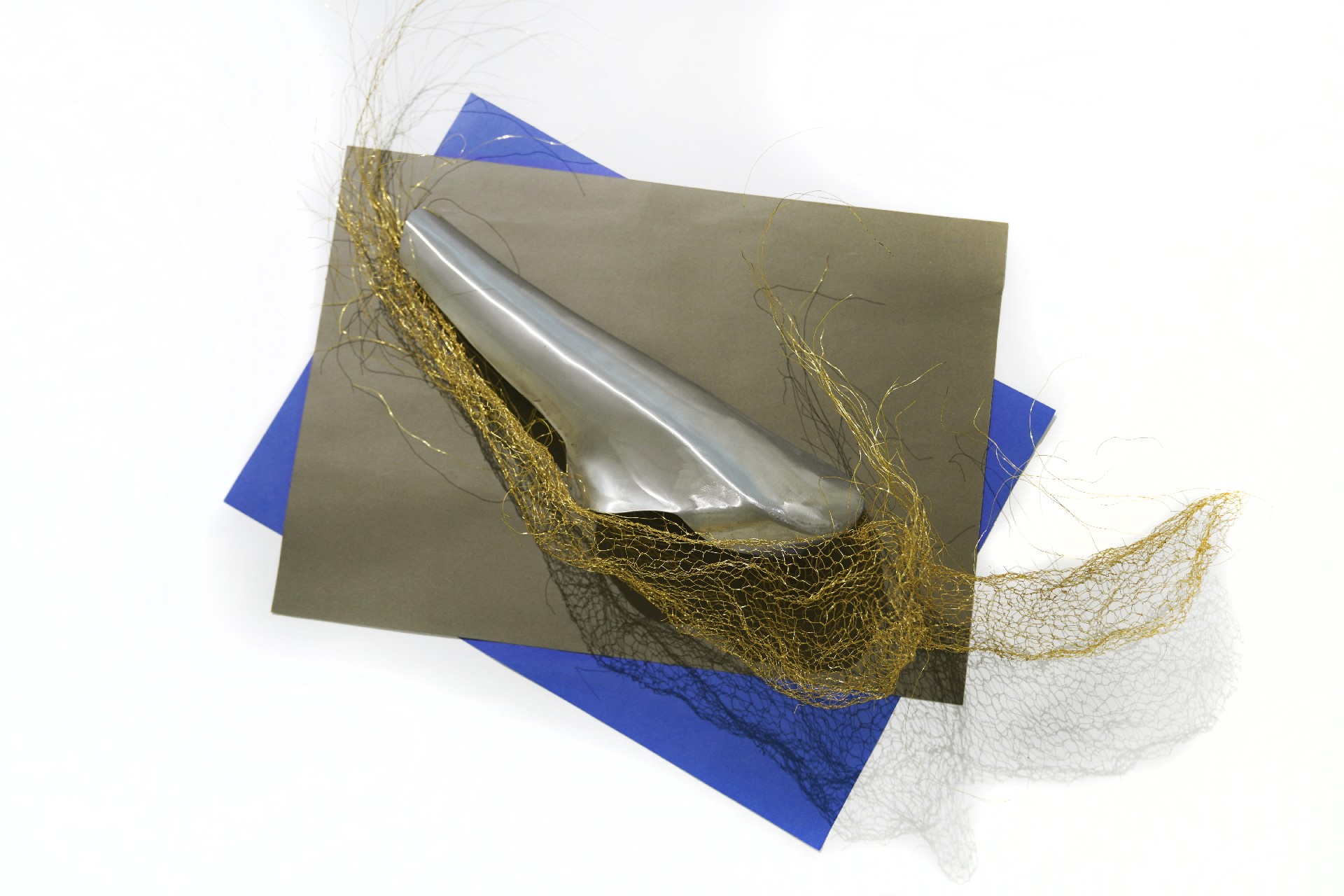
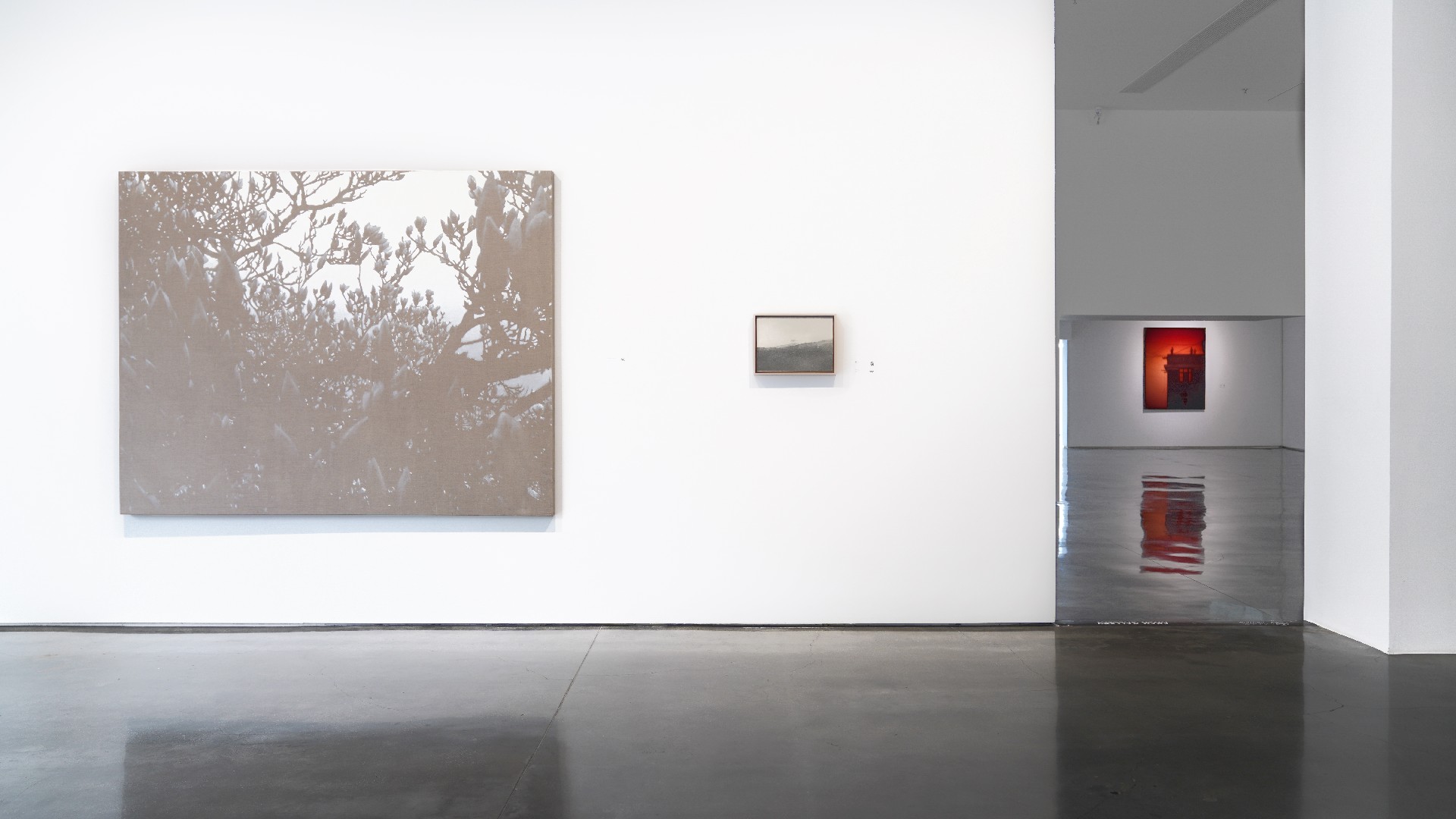
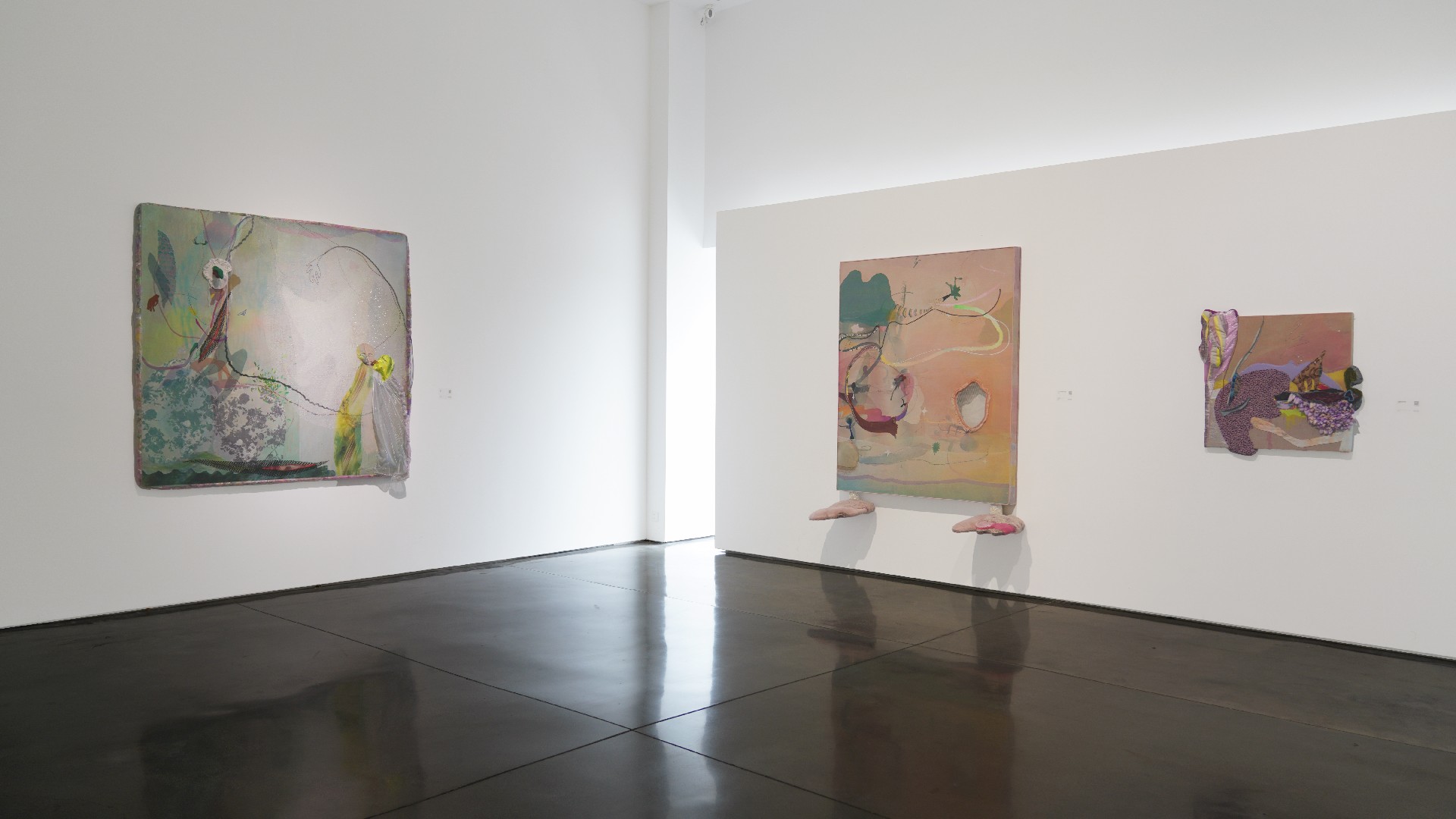
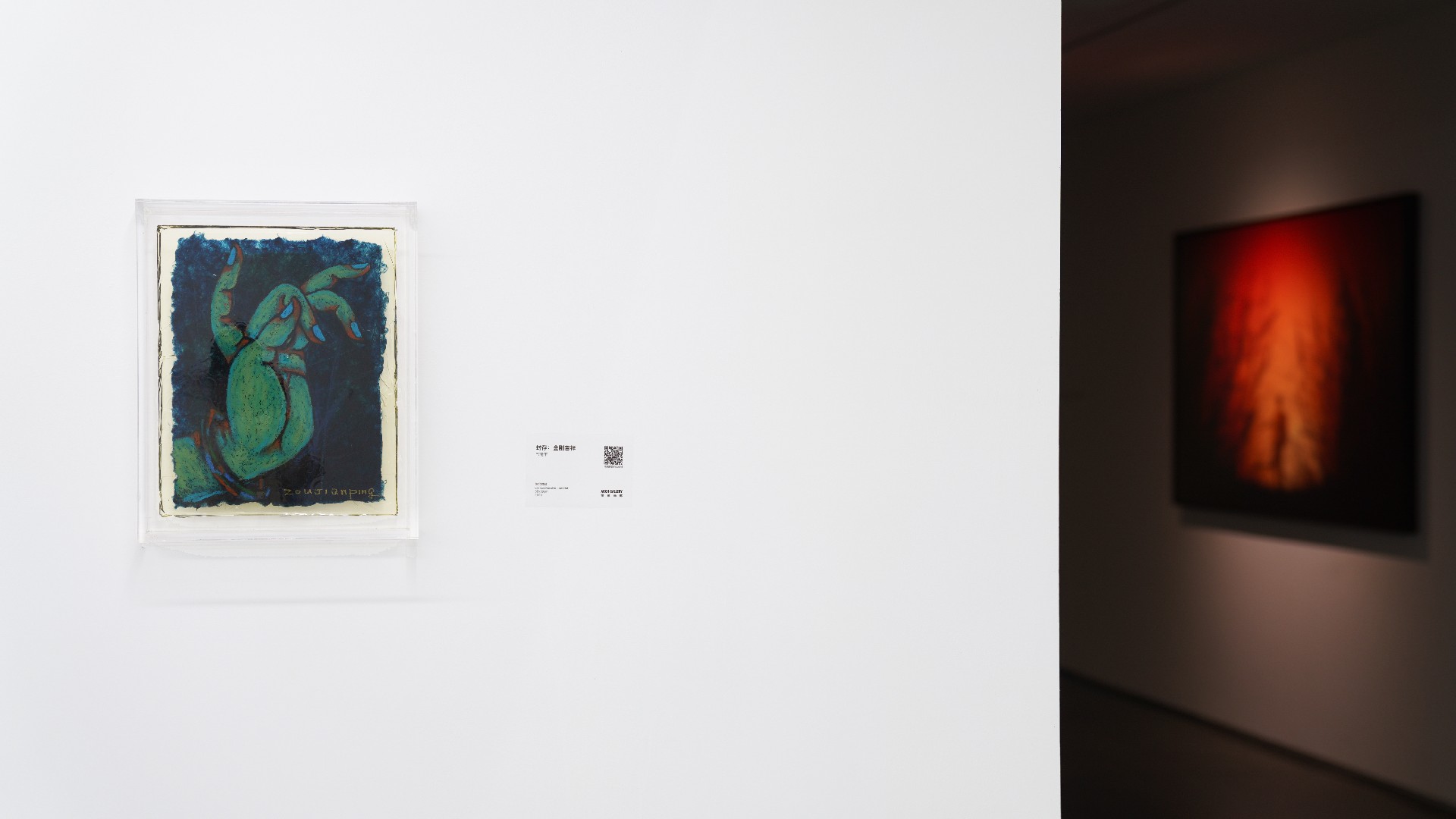
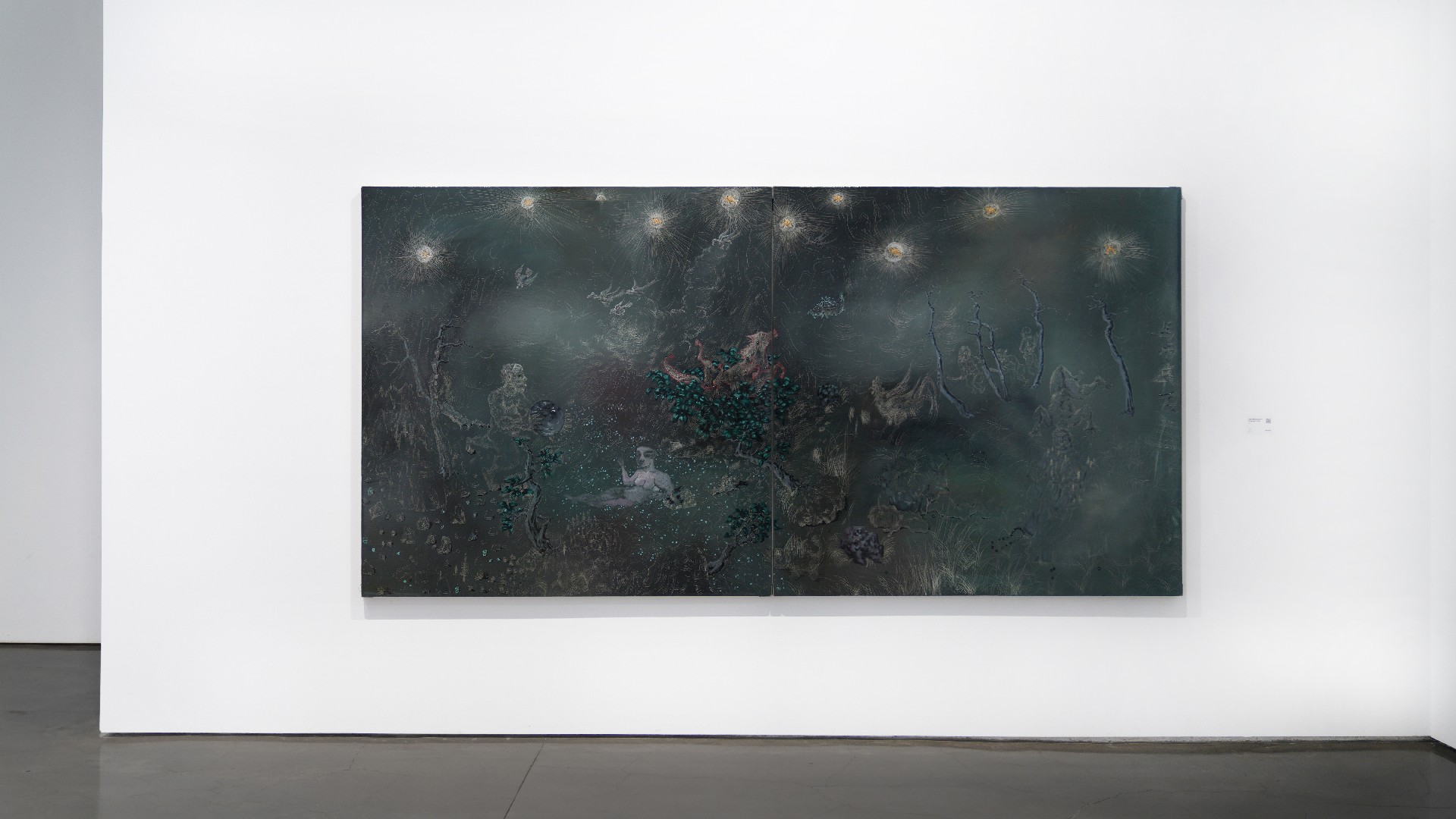
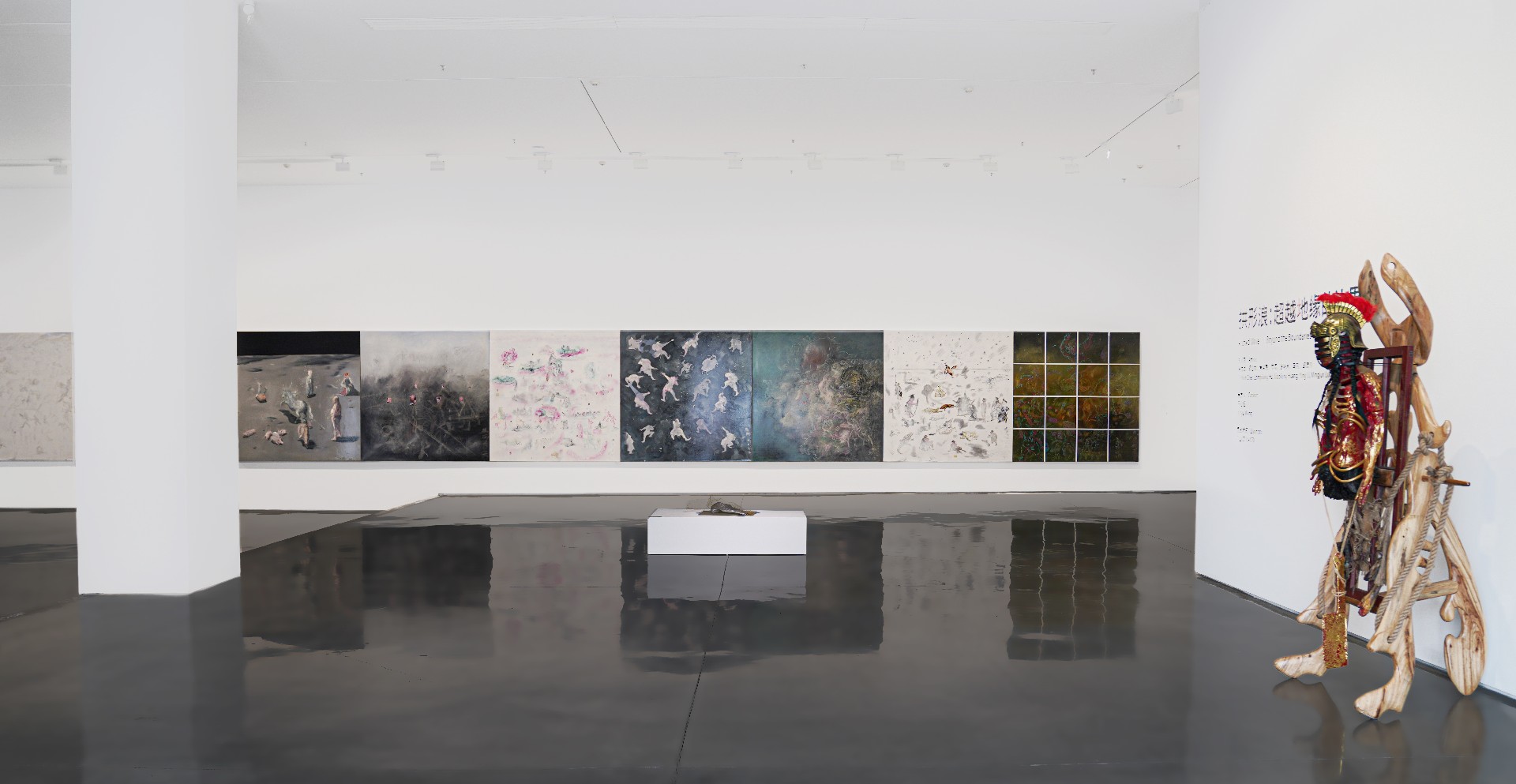
The works in this exhibition range from the translation of traditional religious iconography to the exploration of the compression of contemporary living space, from the simple folk characteristics of growing in the mud and sand to the alienation and expansion of new folklore through the use of polysemous materials. The artists in the exhibition spread out the non-linear structure of “Rhizome”, drawing inspiration from a wide range of historical cultures and typical times, abandoning the order of genealogical structure, developing roots in multiple directions, and spreading and reproducing continuously in a “nomadic” way. The rhizomatic also implies the dismantling of boundaries and spatial decontextualization. Gilles Louis Réné Deleuze said that “it entails movement and the dynamism of change”. Art is essentially “generative”, with change and movement as the driving force behind the artist's ongoing work. This "de-territorialization" becomes a necessary way to participate in artistic expression and presentation.
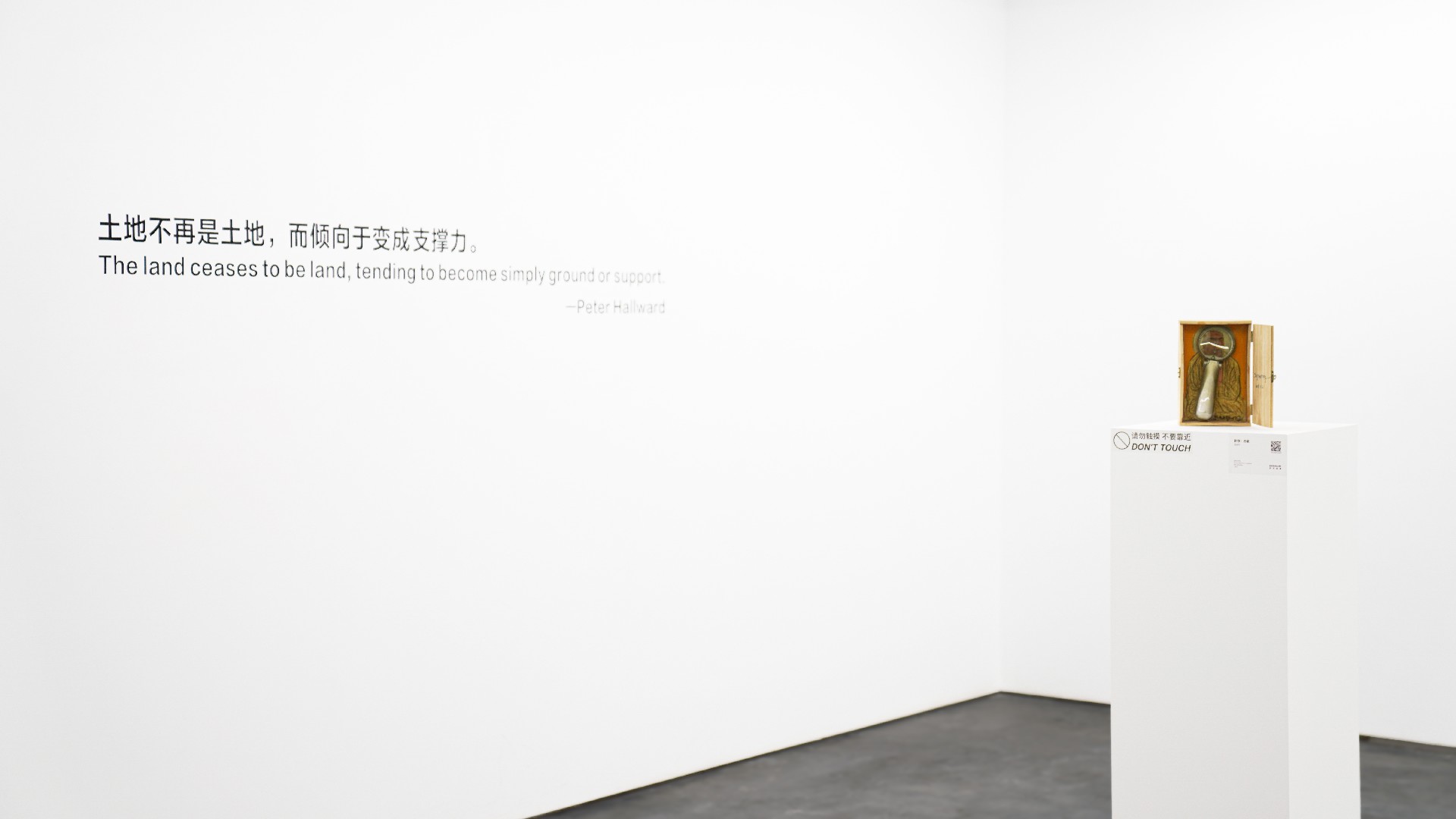
Artists are familiar with the journey of wandering and moving away from home, in which their territories are always on the move and their centers are never completely fixed. Hallward said “The land ceases to be land, tending to become simply ground or support”. The original originating from the “land” is hidden in the invisibility or embeddedness of the creation. The seven artists do not limit their attention to geo-spatial or subjective identities, but instead maintain heterogeneity with their different subjective consciousnesses and form a new linkage, with multiple superimposed and reorganized structures, for contemporary artistic practice.
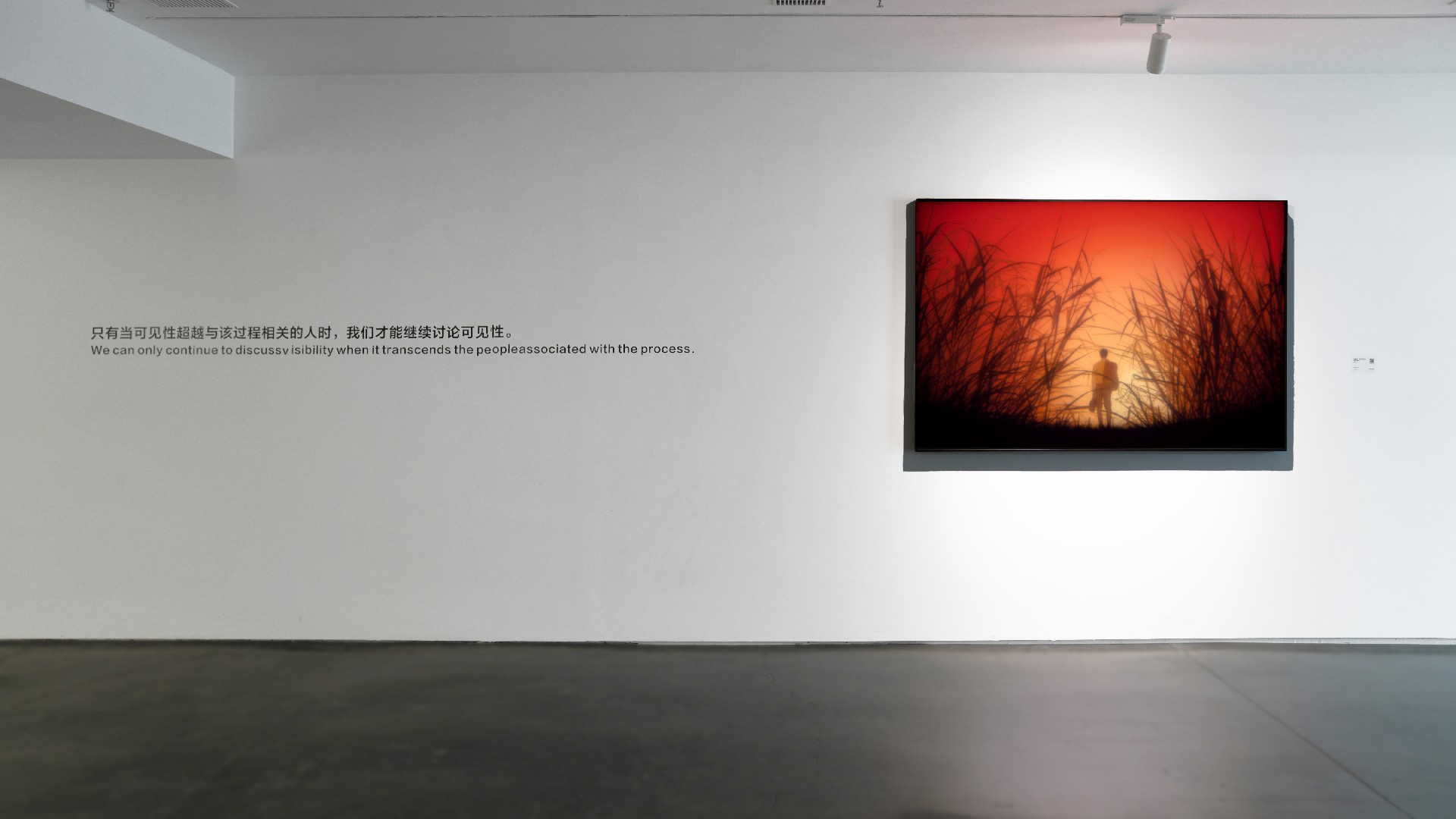
We can only continue to discuss visibility when it transcends the people associated with the process, and the consciousness of visibility is simultaneously projected inward and outward onto the object, consciously or unconsciously inheriting its qualities. In an era of rapid information exchange, territoriality in the narrow sense should not be explored. The artist creates a wandering experience, presenting the disappearance of regional identity, linking culture with personal experience. The constant flux of free consciousness and experience of displacement transcends the boundaries of geography and builds a dense network of intertwined ties, composing different scripts with the superimposition of the variables of the times.
The works in this exhibition range from the translation of traditional religious iconography to the exploration of the compression of contemporary living space, from the simple folk characteristics of growing in the mud and sand to the alienation and expansion of new folklore through the use of polysemous materials. The artists in the exhibition spread out the non-linear structure of “Rhizome”, drawing inspiration from a wide range of historical cultures and typical times, abandoning the order of genealogical structure, developing roots in multiple directions, and spreading and reproducing continuously in a “nomadic” way. The rhizomatic also implies the dismantling of boundaries and spatial decontextualization. Gilles Louis Réné Deleuze said that “it entails movement and the dynamism of change”. Art is essentially “generative”, with change and movement as the driving force behind the artist's ongoing work. This "de-territorialization" becomes a necessary way to participate in artistic expression and presentation.
Artists are familiar with the journey of wandering and moving away from home, in which their territories are always on the move and their centers are never completely fixed. Hallward said “The land ceases to be land, tending to become simply ground or support”. The original originating from the “land” is hidden in the invisibility or embeddedness of the creation. The seven artists do not limit their attention to geo-spatial or subjective identities, but instead maintain heterogeneity with their different subjective consciousnesses and form a new linkage, with multiple superimposed and reorganized structures, for contemporary artistic practice.
We can only continue to discuss visibility when it transcends the people associated with the process, and the consciousness of visibility is simultaneously projected inward and outward onto the object, consciously or unconsciously inheriting its qualities. In an era of rapid information exchange, territoriality in the narrow sense should not be explored. The artist creates a wandering experience, presenting the disappearance of regional identity, linking culture with personal experience. The constant flux of free consciousness and experience of displacement transcends the boundaries of geography and builds a dense network of intertwined ties, composing different scripts with the superimposition of the variables of the times.