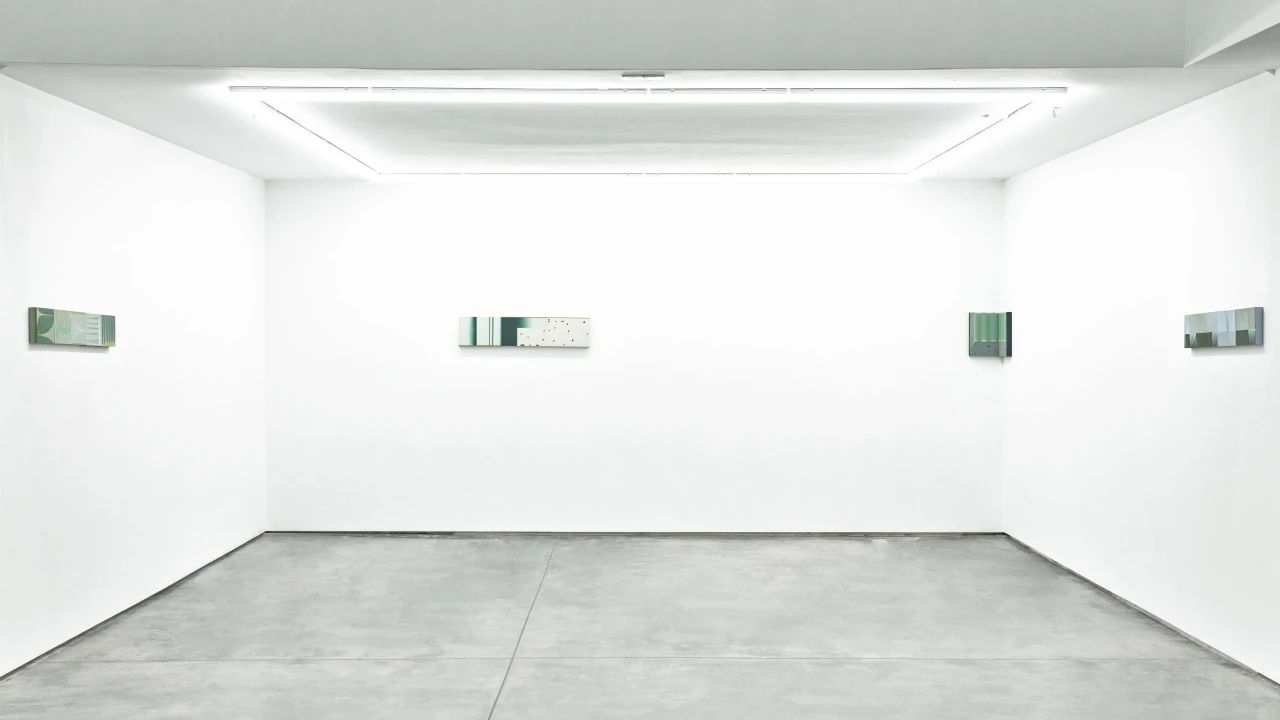
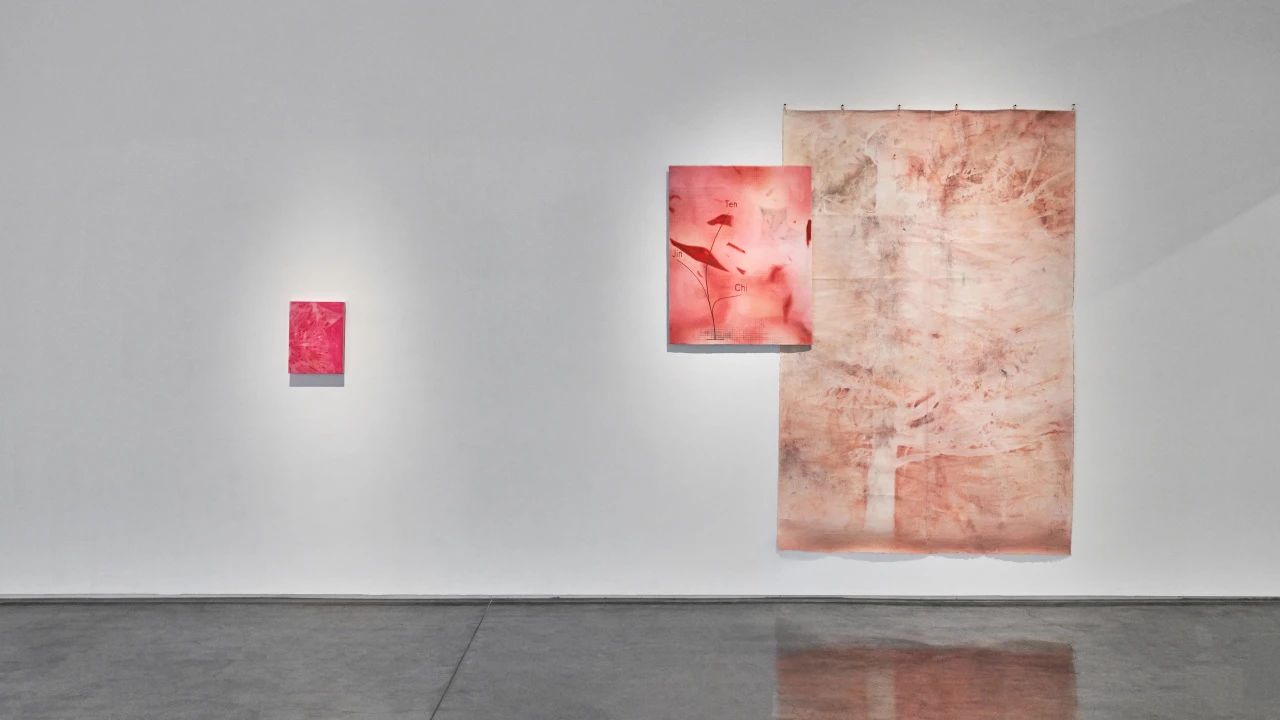
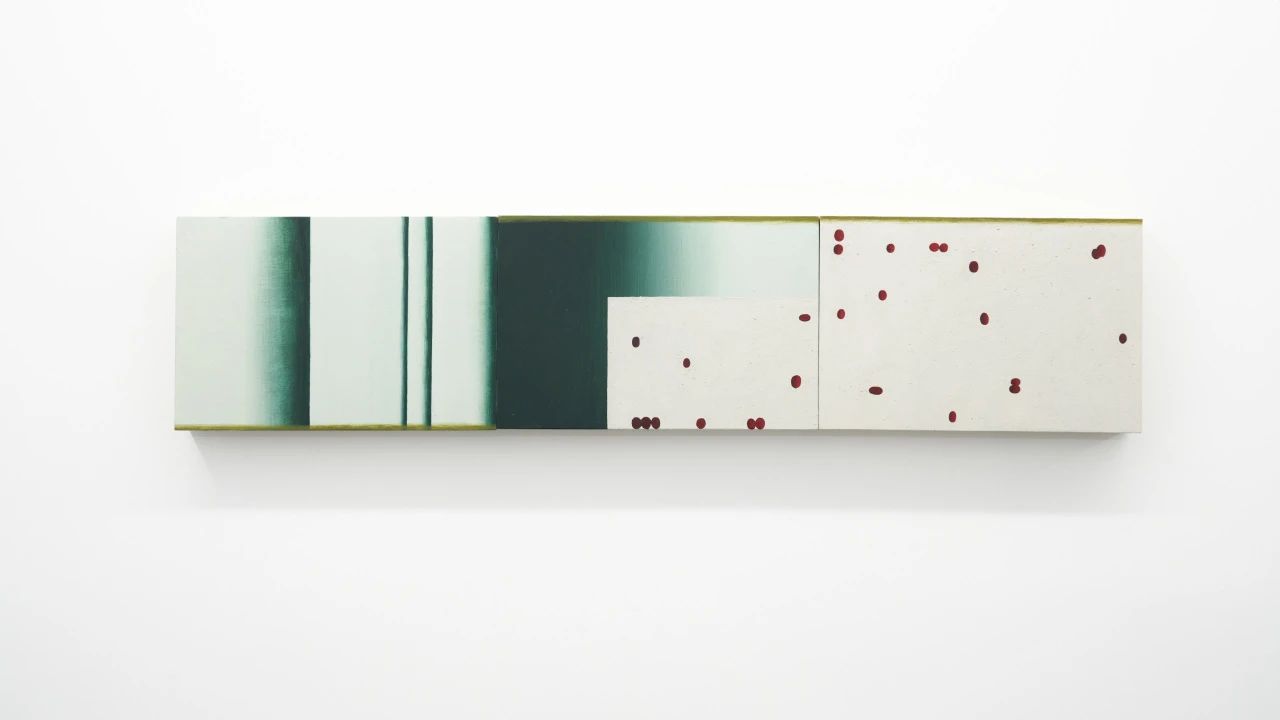
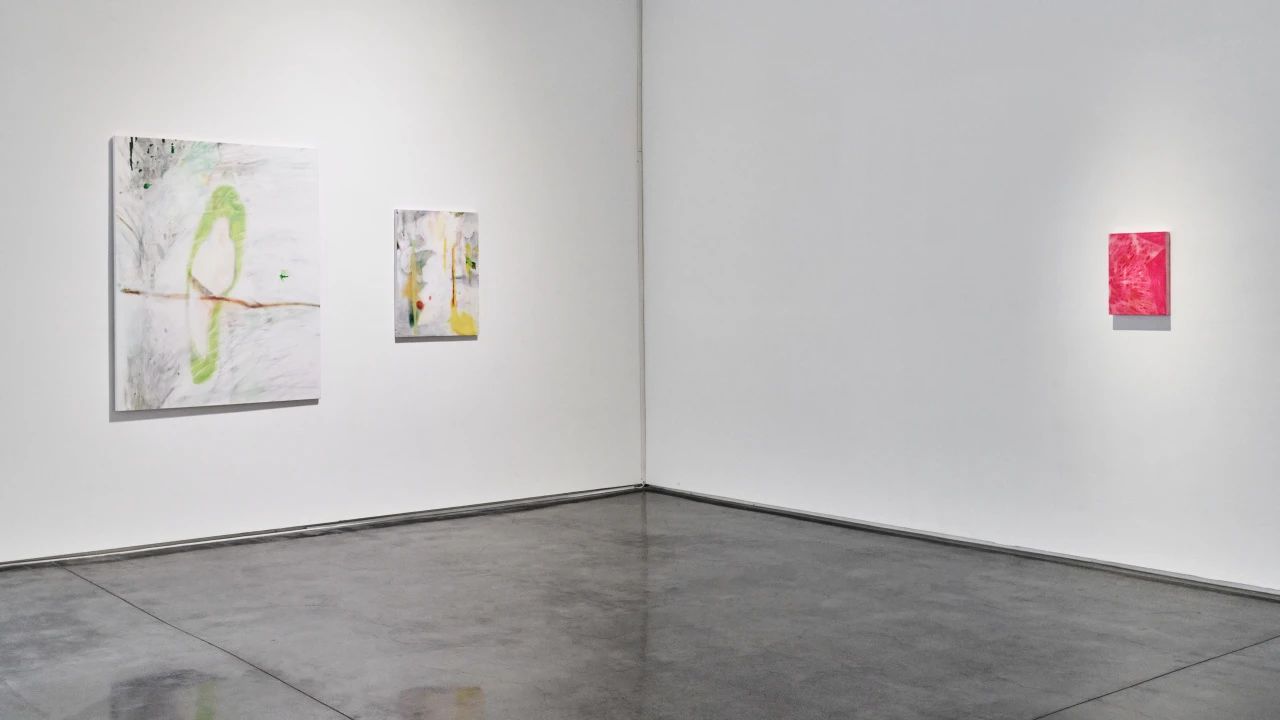
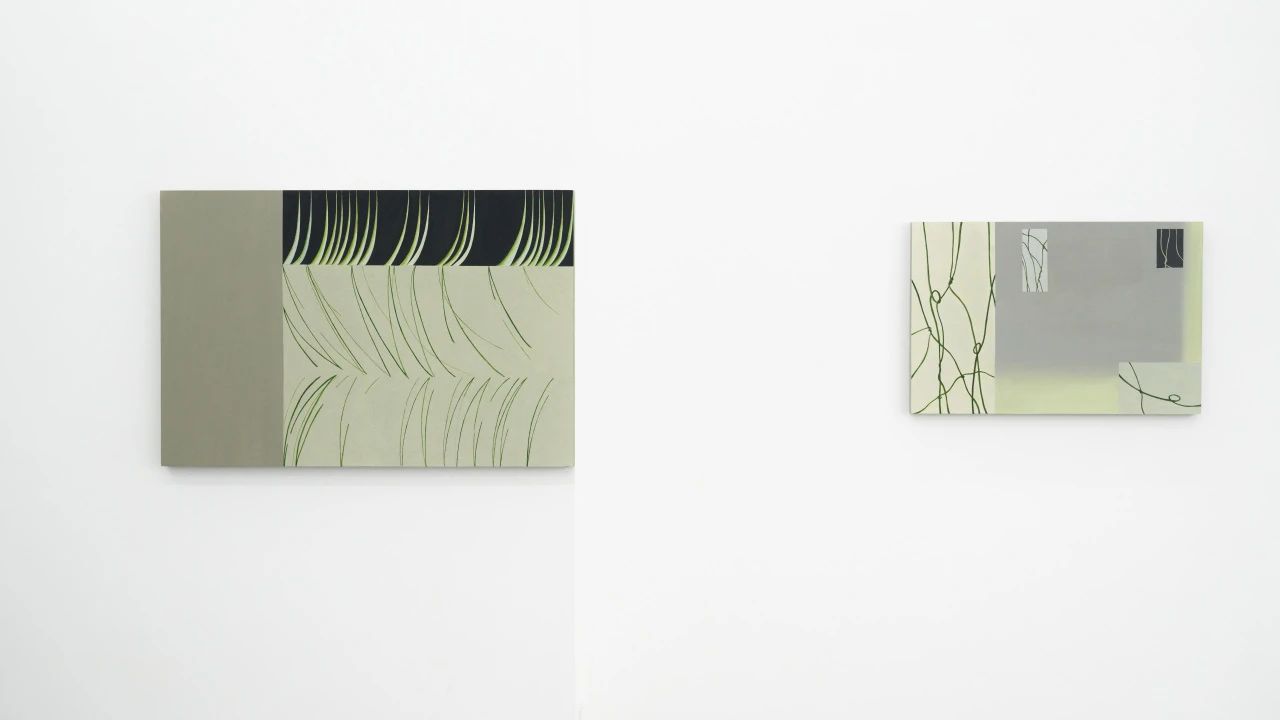
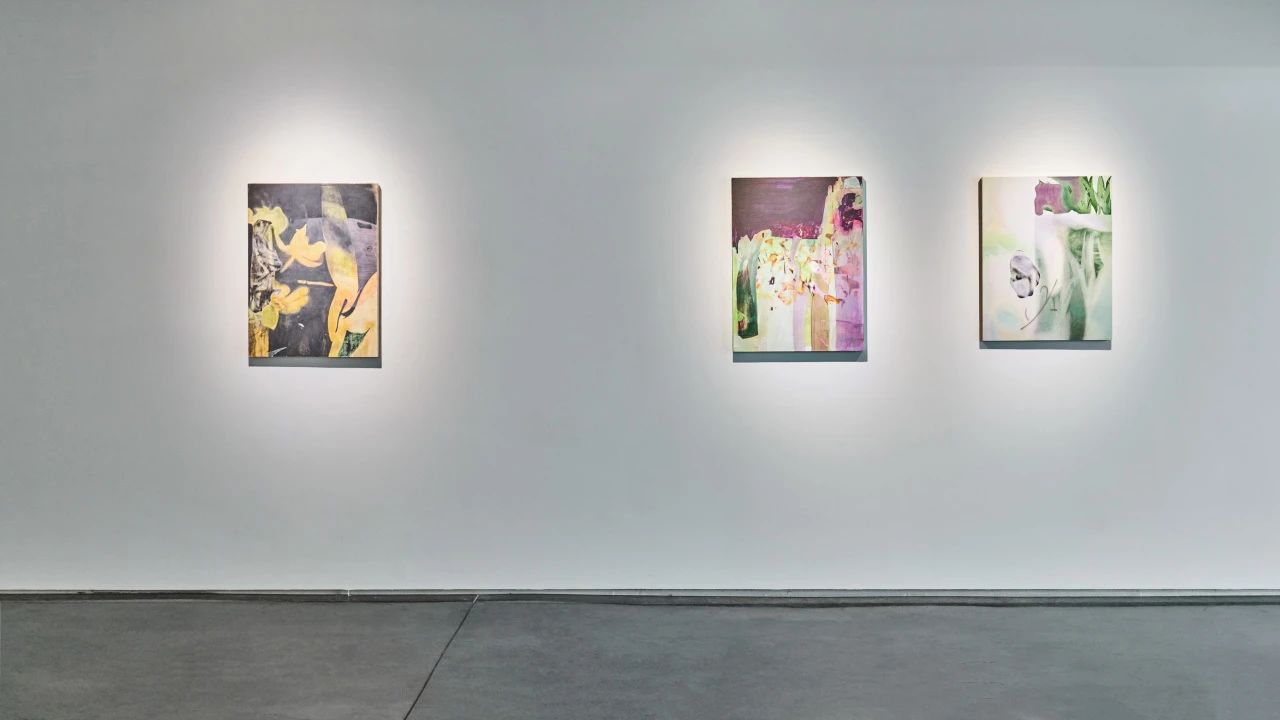
ARCH PROJECT is currently on display: Artists Wang Jing and Yiwen's healing exhibition project "Flower For Algernon" traces its origins in nature. This art project is based on the research of art therapy and revolves around the presentation of a "result" experience. It presents two artists' original observation of nature and pure emotional externalization, and enjoys creating a refuge from the real world. The purpose of the project is also to leave a spiritual bouquet to the viewer by obtaining feedback from nature.
In Daniel Keyes’s work, Algernon becomes a subject of biological experimentation, continuously trained to surpass ordinary intelligence. The driving force for completing tasks evolves from low-level desires for food into a pursuit of individual achievement. Throughout the ongoing external experiments and training imposed on Algernon, the enhancement of cognition does not transform it into an ideal, more perfect creation. Instead, with the capacity for deep intellectual exploration and comparative analysis based on experiential cases, its emotional experiences become intensified, leading to severe negative outcomes. “Tragedy can only occur in the highborn, for one can only fall from a great height” (Poetics, Aristotle).
In this exhibition project, we have invited two artists whose works are rooted in their immersive experiences with nature. A common characteristic of their practices lies in symbolizing the features of ordinary natural elements and reconstructing the visual narrative through personal sensibility. By re‑examining the relationships between objects and humans, as well as between objects themselves, the stability of these dual relationships emerges as an experiential insight upon observing the works—poetic and compassionate, returning to the primal and the unadorned. Extended against the backdrop of our era, everyone becomes an Algernon in the experimental field.
In this age of information overload, vast amounts of data and continuously updated, iterating information flood in. While information barriers are dismantled, new cognitions are constantly being inputted. This influx overlooks the differences in individual experience, carrying with it a sense of cruelty. Conclusions drawn from universal experiences reveal that the enhancement of cognition does not necessarily correlate with the development of a sound, independent self. To withdraw from the one‑dimensional environment imposed by digital information and its associated mental pressure, one must return tangibly to nature.
“If you have time, please place a bouquet for the Algernon in the backyard.”
Ending the text with a note of compassion for Algernon’s tragic conclusion, this artistic project revolves around the presentation of an “outcome” experience. Artistic creation is the subject’s subconscious presentation of the objective world. By observing how artists employ natural elements to express their psychological experiences, we witness the externalization of unconscious emotions. A perspective rooted in primal observation of nature, coupled with thoughts that are both exquisitely pure and aesthetically charged, unfolds before us. We contemplate and savor the images born from the artists’ free spirit—and it is precisely because they express freedom that these images offer an experience of beauty. The artists construct a sanctuary from the real world, drawing feedback from nature, while simultaneously offering a spiritual bouquet to those who linger and absorb the experience.